
Blacklick Estates, Lancaster
Garage Door Repair for Blacklick Estates' 1966-Era Hardware
Blacklick Estates homes date to around 1966, with original torsion hardware and cold-climate wear. We travel from Lancaster, 19 miles out, to fix what that era left behind.
What It Costs
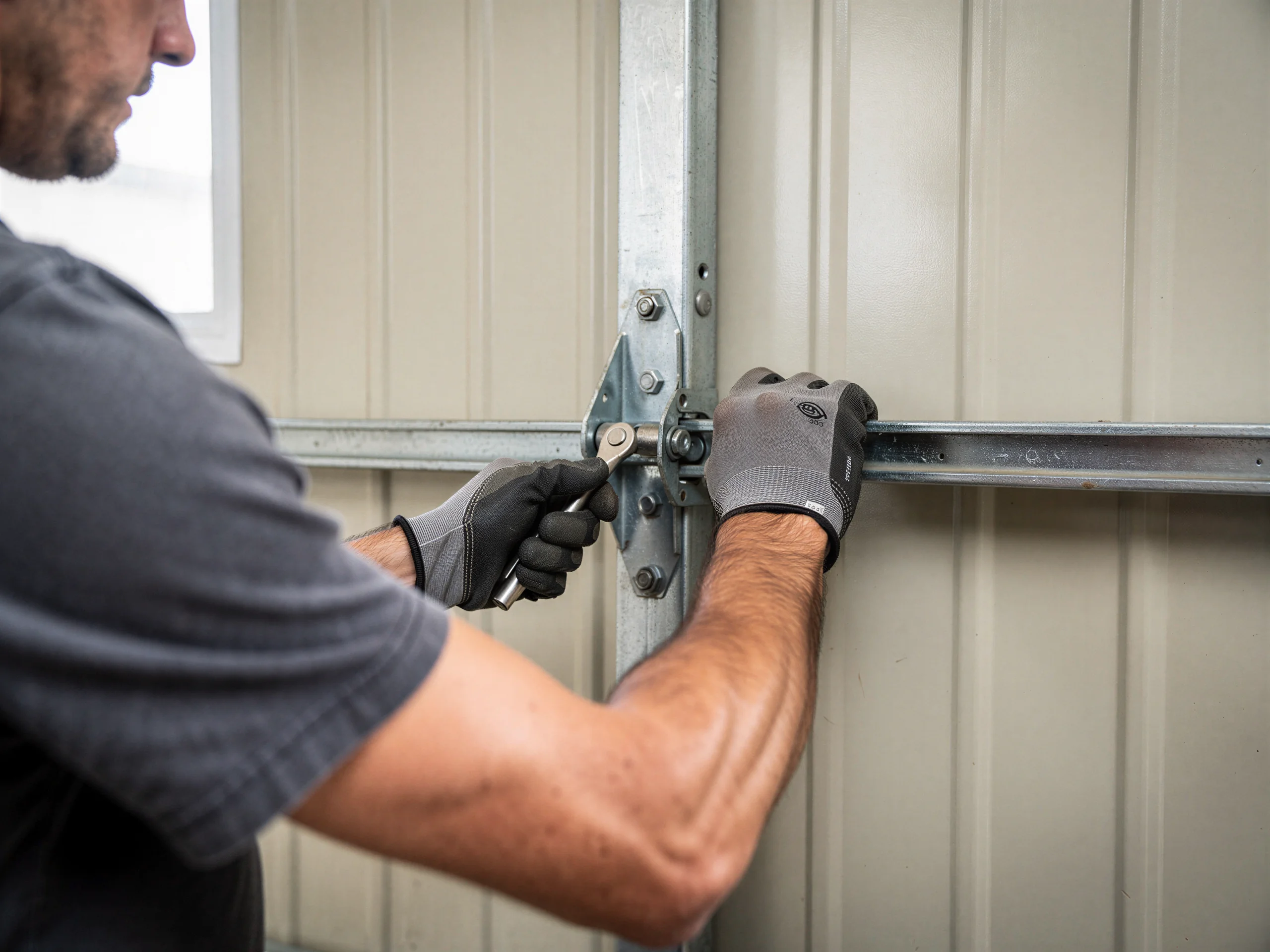
We don't have a price list specific to Blacklick Estates to publish here, and we'd rather tell you that than make one up. What we can tell you is what drives the cost on a house built around 1966: most garage doors going up in this area that year used single-layer steel or wood panels on torsion springs sized for lighter doors than what's sold today.
Spring-only swap misfits
When a homeowner replaces just the spring but keeps the original track and drum, the fit is often off by a size or two, and that mismatch is what we end up diagnosing on the second visit.
Drums and bearing plates worn
If your door is original to the house, expect the job to involve more than a spring swap - the drums, bearing plates, and sometimes the header bracket are all past their design life.
Quote only after inspection
We quote after we see the door, not before, because a 1966 torsion setup and a 2005 extension-spring setup are two different jobs with two different parts lists.
How to Book
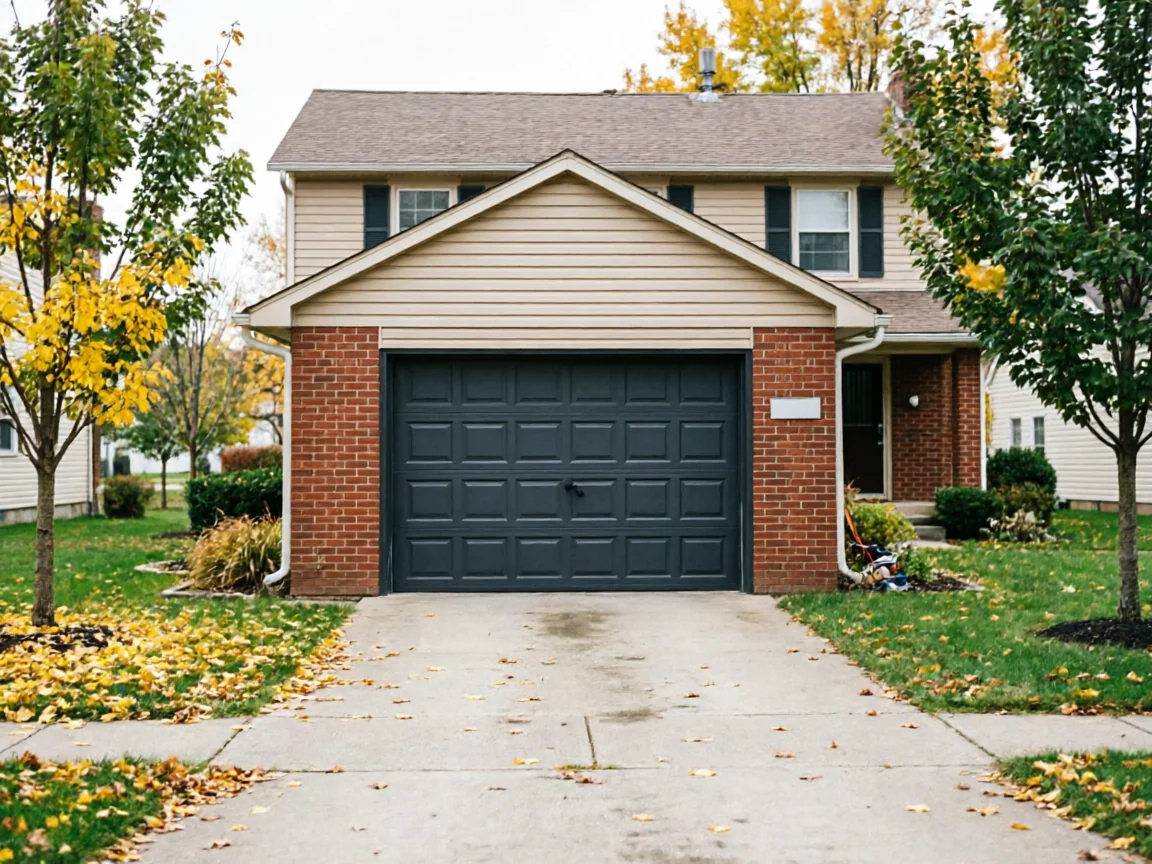
We cover Blacklick Estates from our shop in Lancaster, about 19 miles out. There's no branch or truck stationed in Blacklick Estates itself, so when you call, tell us the door's approximate age - if your house falls in that mid-1960s band like most of the area, that single detail changes what we load on the truck before we leave. We schedule by the day, not a guaranteed window, since we're routing from Lancaster and traffic on the drive out varies. Have your garage door opener model or spring type ready if you know it; if you don't, that's fine, we check on site. Booking ahead by a day or two, rather than same-day, gives us time to pull the right spring size and roller stock for an older door instead of guessing at the curb.
Why This Fails Locally
Blacklick Estates households sit in a median income band of about $70,869 across roughly 3,260 households, which tells us something about the housing stock: this isn't new construction with lightweight aluminum doors and modern nylon rollers. It's a mid-1960s neighborhood where doors were built heavier, springs were wound tighter for the era's steel panel weight, and openers - where they exist at all on original installs - were added later as retrofits, not built in. Ohio's winter swings between freeze and thaw put extra strain on torsion springs that have already outlived their rated cycle count, and a 1966-era spring has usually seen forty-plus winters of that cycling. The failure mode we see most in this age bracket isn't a broken cable or a dead opener motor - it's a spring that's lost tension gradually, so the door feels heavier each month until one day it doesn't lift at all. Homeowners often blame the opener first because that's the part that makes noise, when the spring did the quiet work of failing months earlier.
Where This Job Goes Sideways
The spot where a repair stops being a repair is when the original torsion hardware on a 1966 door has frozen in place - not from cold, but from decades without lubrication on bearing plates that were never designed to be serviced easily.
Forcing breaks cables or track
At that point, replacing just the spring doesn't fix the binding, and forcing it can snap a cable or bend a track that's holding square by habit more than by spec. We'll tell you straight if we hit that wall: sometimes the honest call is a full hardware replacement rather than patching a system that's fighting itself.
Obsolete brackets need sourcing
We don't stock every obsolete bracket size from that era on the truck, so if your door needs a part that hasn't been manufactured in years, there's a wait while we source it.
Planned for common age issue
That's not a Blacklick Estates problem specifically - it's a problem of houses this age everywhere in cold climates - but it's common enough here that we plan for it before we leave Lancaster.
Questions
Common questions
Do you have a shop or truck based in Blacklick Estates?
No. We work out of Lancaster and travel to Blacklick Estates, about 19 miles away, for every call. There's no local branch here, so scheduling is by the day rather than an immediate same-hour window.
Why does my 1960s door feel heavier every year?
A torsion spring loses lift gradually as it ages and cycles through winters. Houses in Blacklick Estates built around 1966 are old enough that original springs have usually worn past their rated life, so the door gets harder to lift months before it fails outright.
Can you match parts to an original 1966 door?
Sometimes. Older torsion drums, brackets, and spring sizes aren't all still manufactured, so if your hardware is original, there may be a short wait while we source the right part rather than forcing a mismatched one onto the track.
Explore more
More Services in Blacklick Estates
Cable Repair
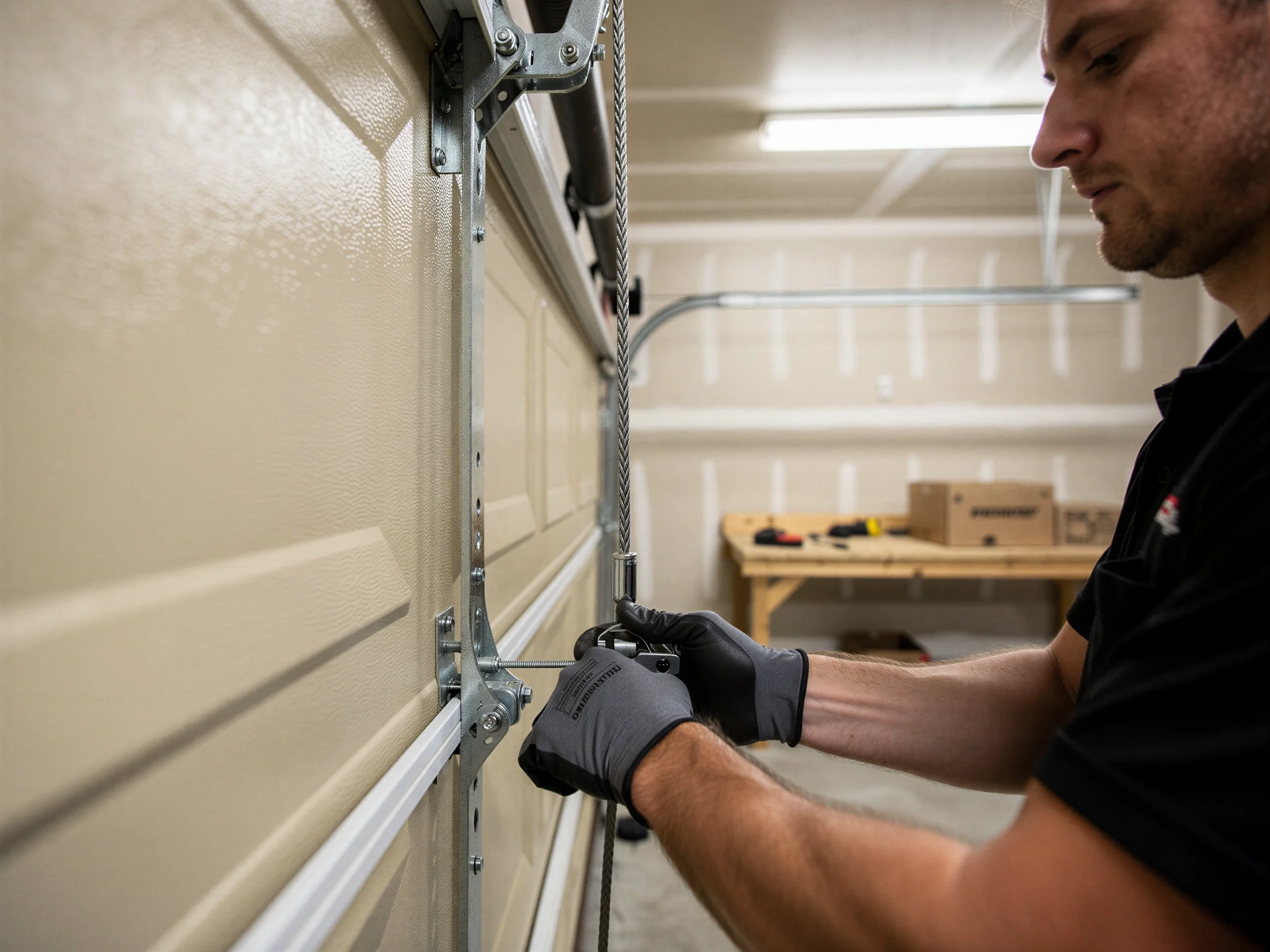
Cable repair for Blacklick Estates homes built around 1966, priced against a $70,869 median income that usually favors fixing over replacing. Learn more →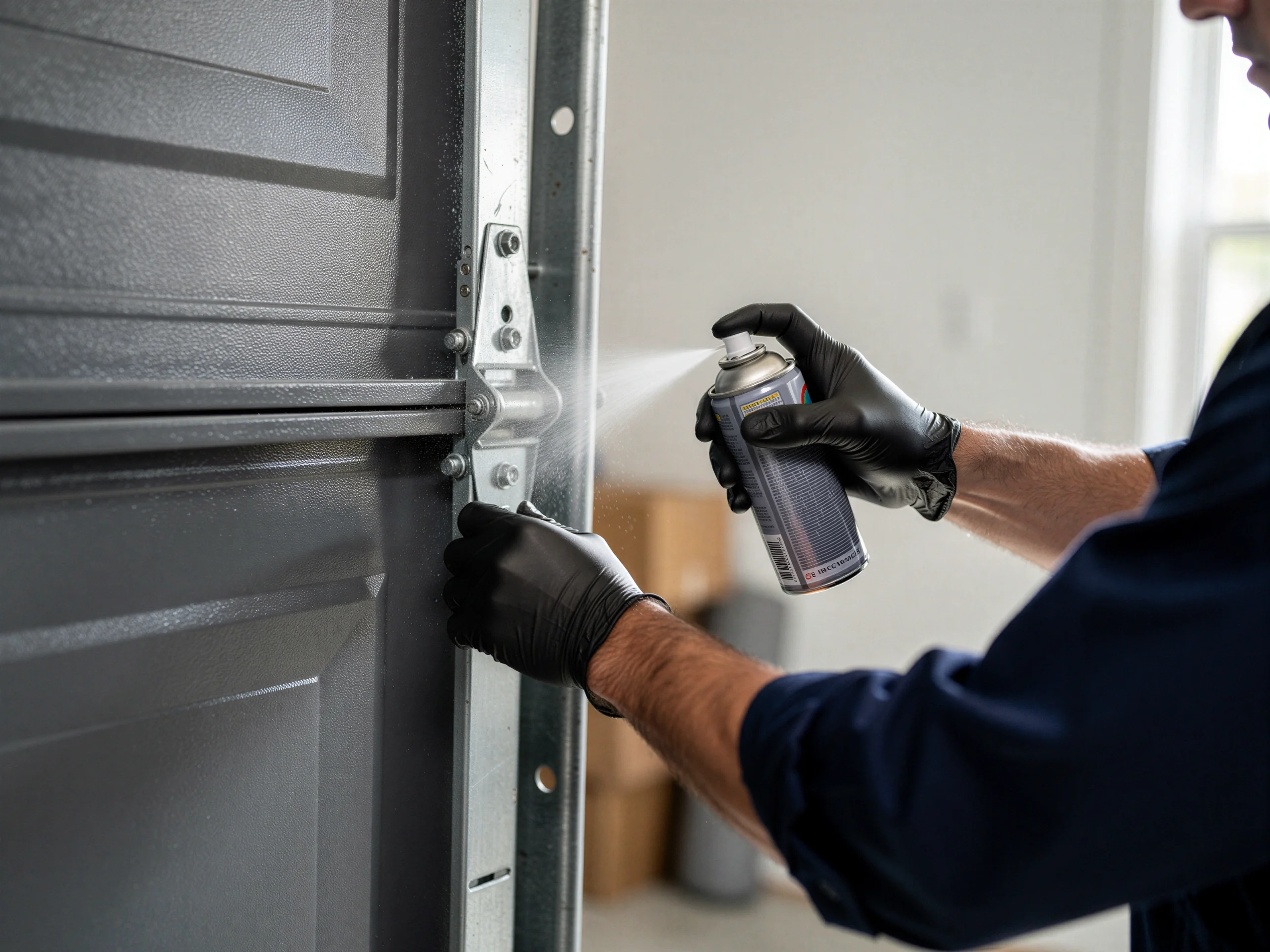
Garage Door Service
Garage door repair and tune-ups for Blacklick Estates, 19 miles from our Lancaster shop. Learn more →
Maintenance
Blacklick Estates sits 19 miles from Lancaster with houses built around 1966 - uniform torsion-spring stock that needs its own maintenance plan, not Lancaster's. Learn more →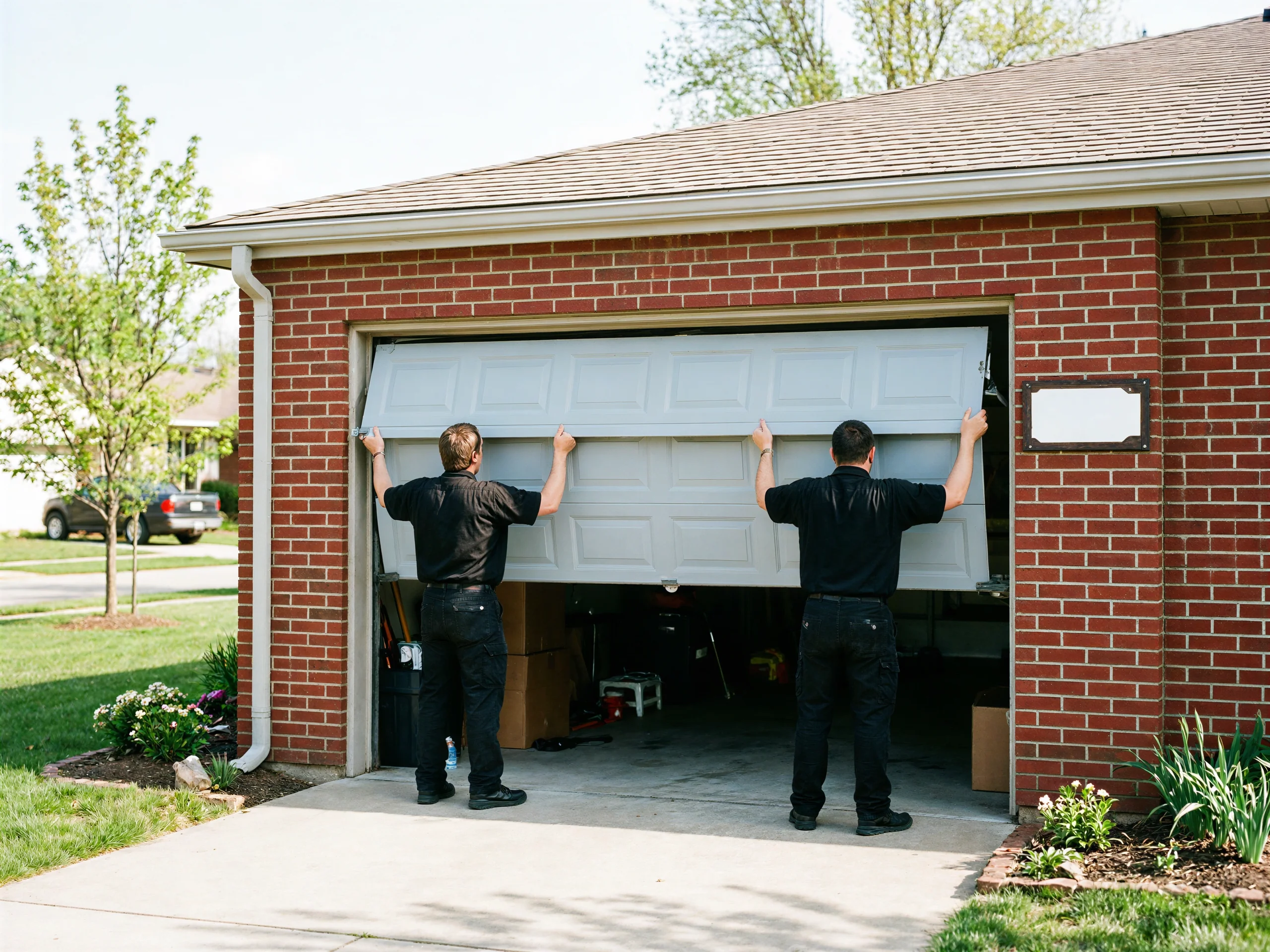
New Door Installation
New garage door installs for Blacklick Estates, OH homes built around 1966. Learn more →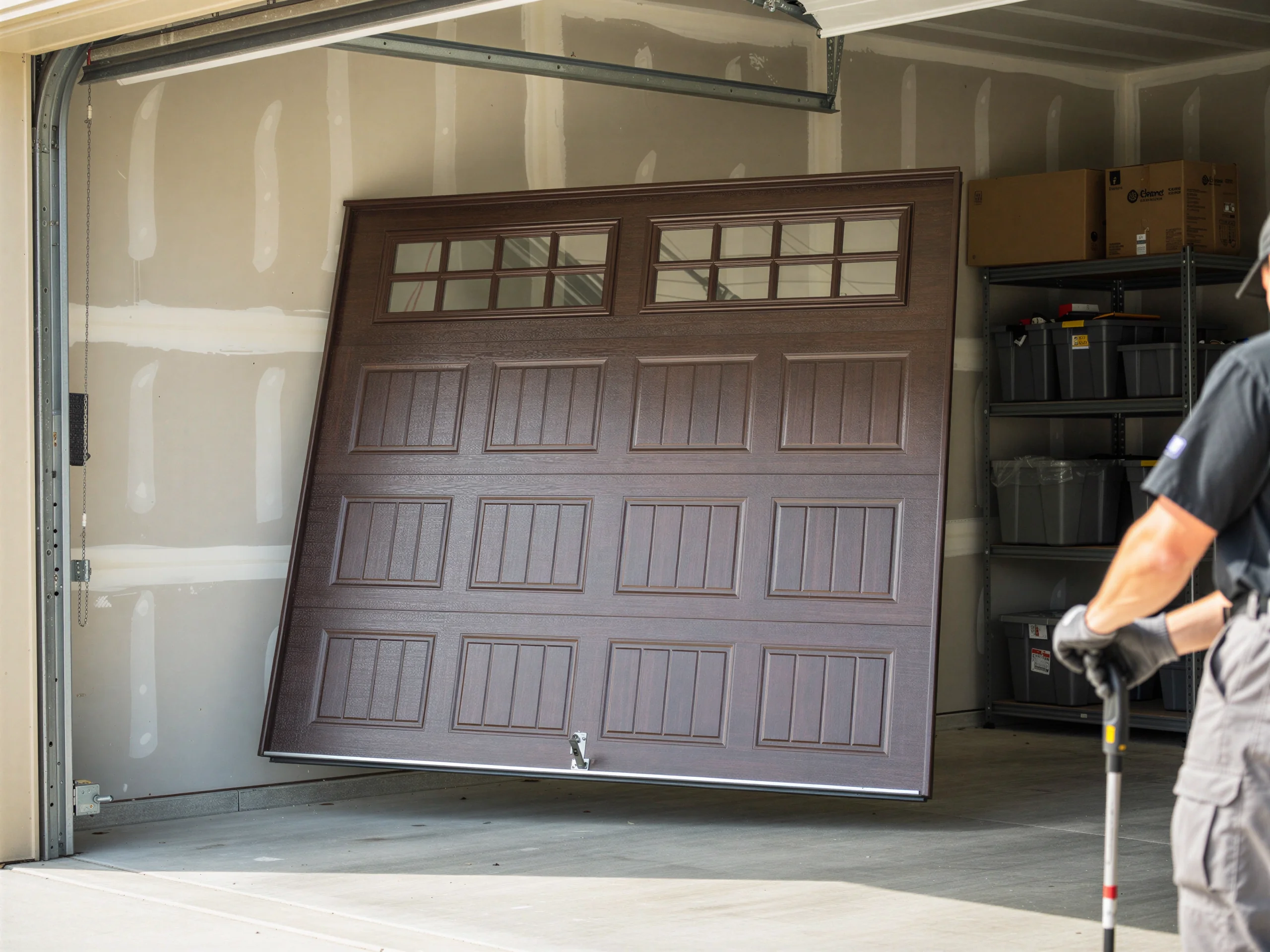
Off Track Repair
Off-track garage doors in Blacklick Estates often trace back to 1960s track hardware and cold-weather roller wear. Learn more →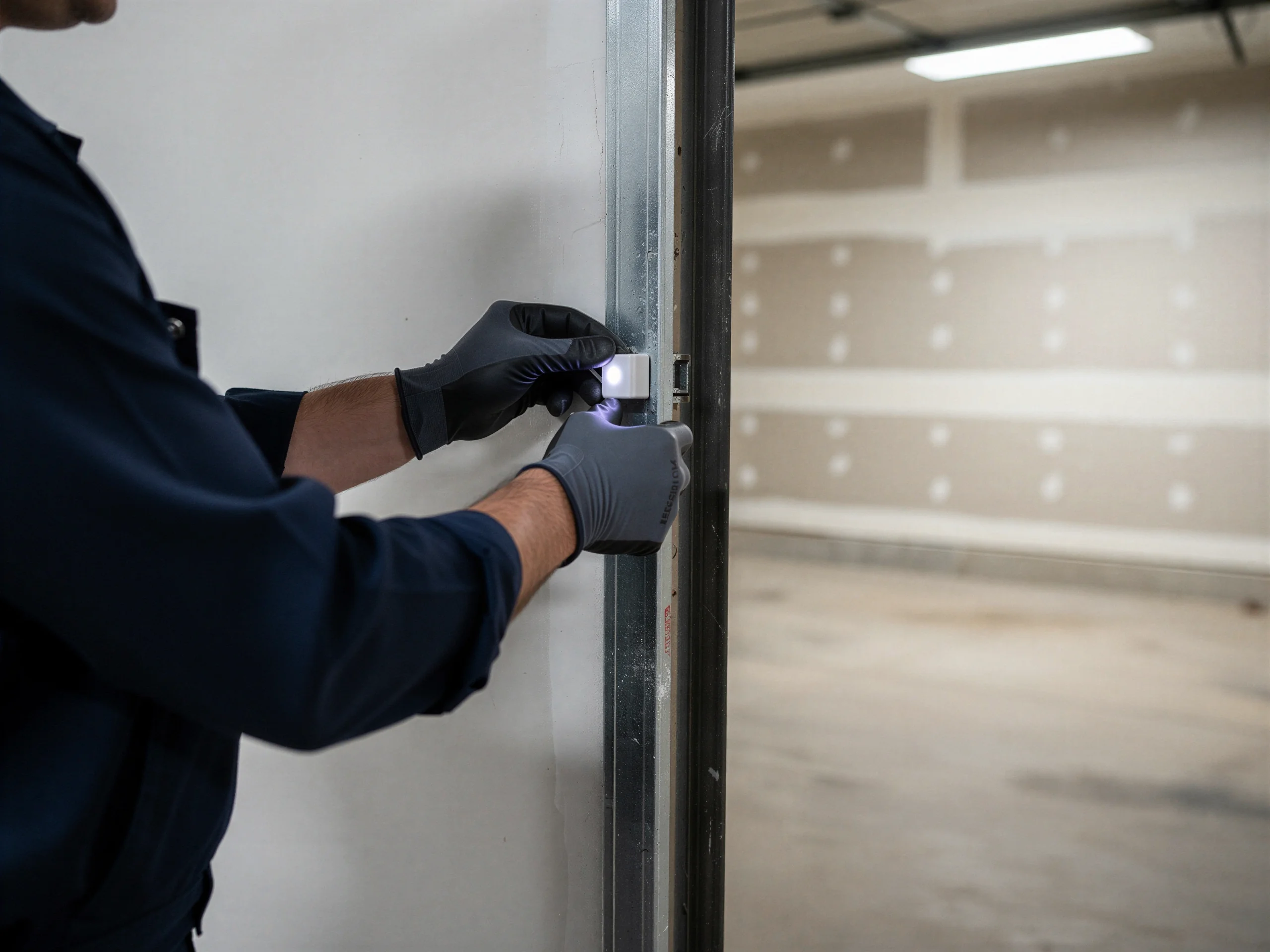
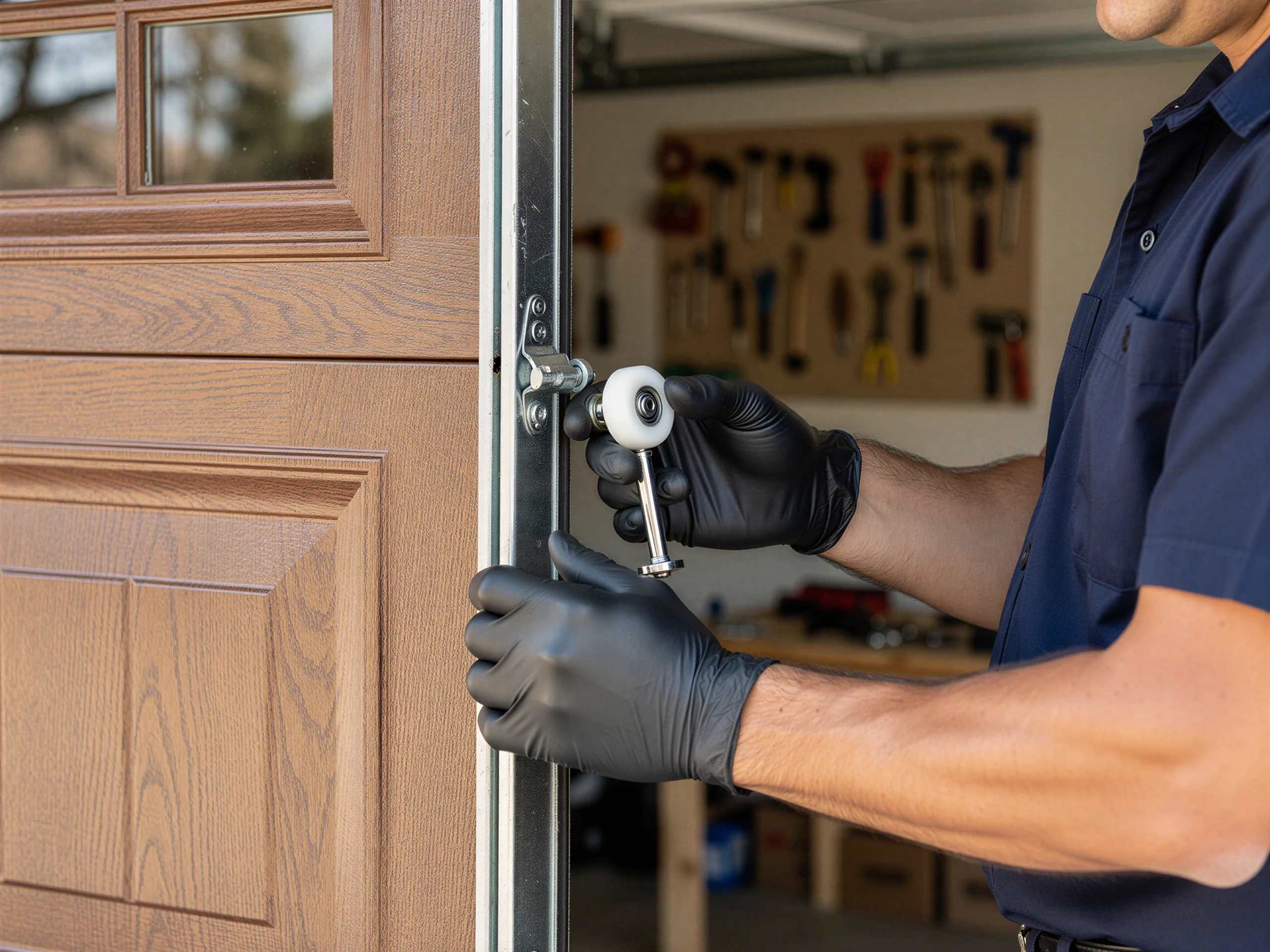
Roller Replacement
Steel rollers on 1966-era tracks in Blacklick Estates freeze up and bind in cold-climate winters. Learn more →Ready when you are
Garage door trouble in Blacklick Estates?
Lancaster Garage Door Pros repairs and installs garage doors, springs and openers in Lancaster, OH and the surrounding area.