
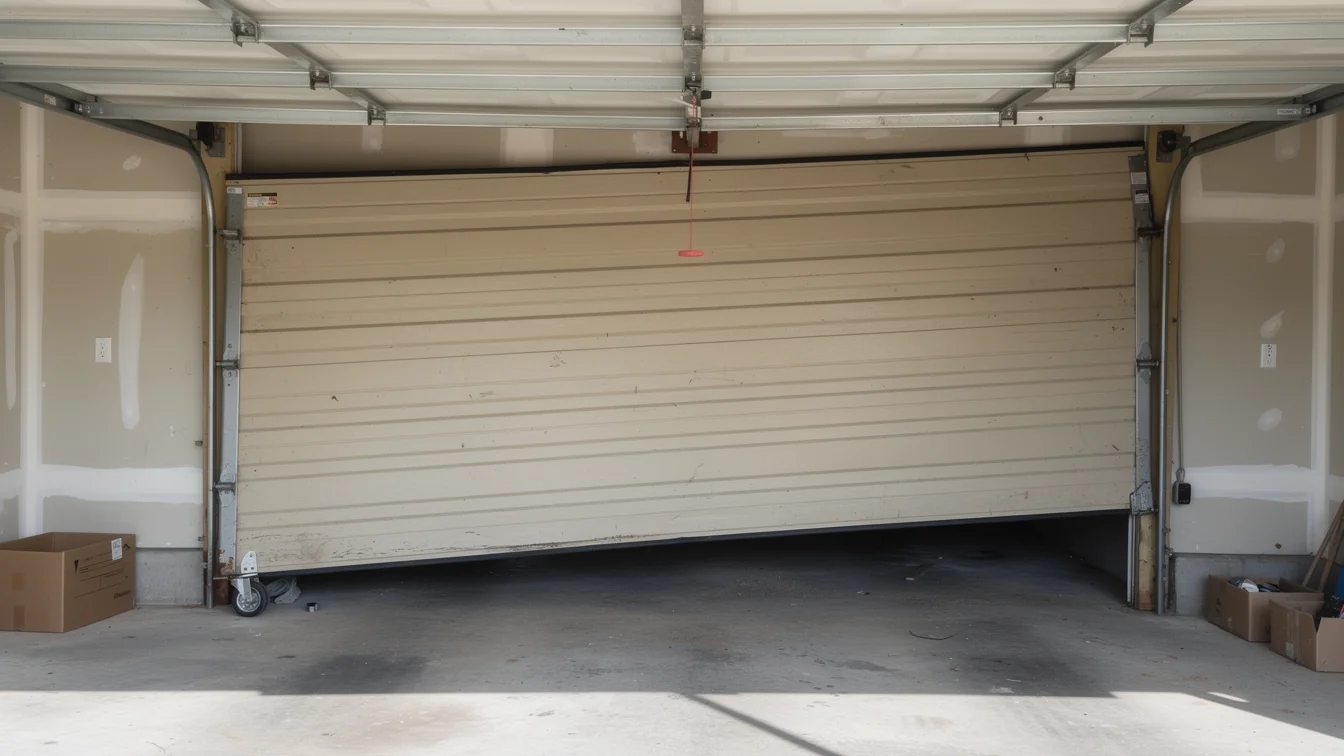
Why a Door Goes Off Track in Lancaster
Lancaster's cold winters and 1960s-70s housing stock push garage door tracks out of line.
Read moreA Lancaster, OH garage door service call covers more than the fix you called about - here's what a tech checks on 1960s-70s hardware built for cold winters.
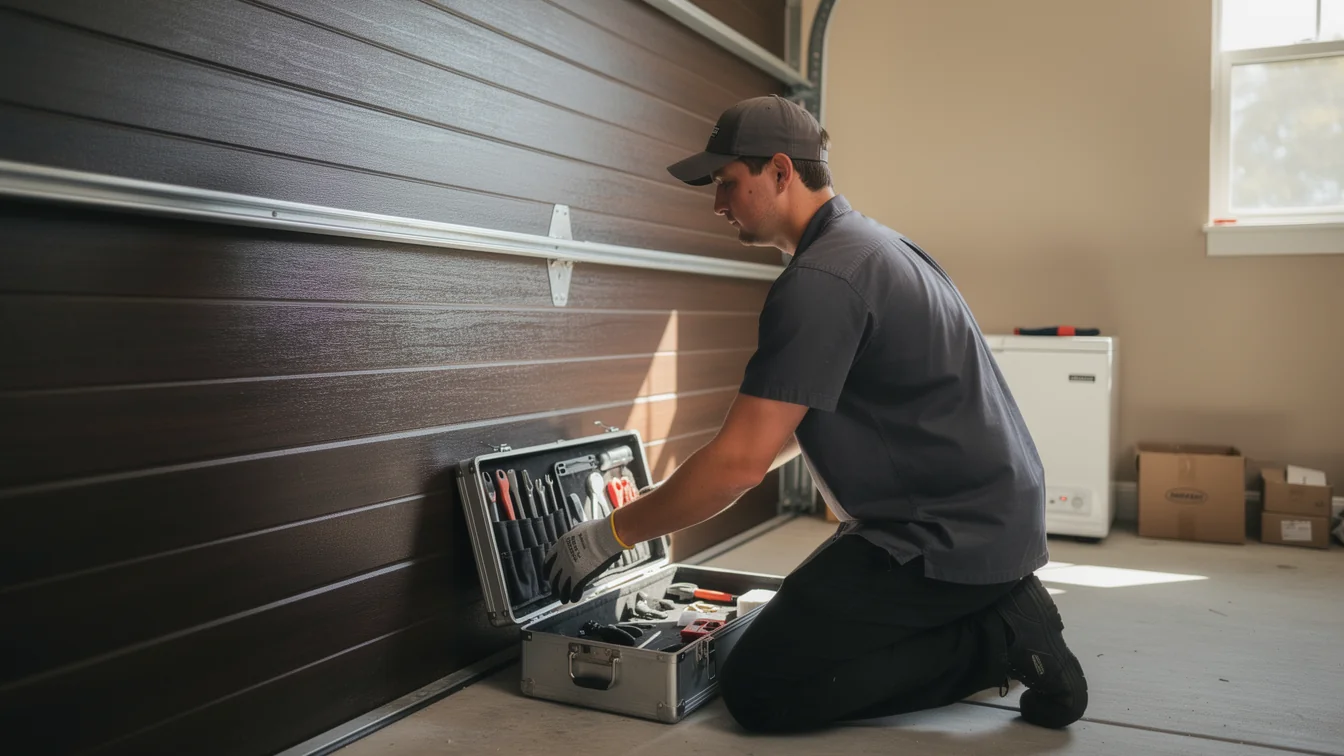
Local detail
Lancaster sits in a cold-climate band with real seasonal swings, and that matters more for a garage door than most homeowners expect. Steel torsion springs stretch and contract with temperature, so a spring that was fine in August can feel stiff and noisy by January, and a door that was balanced in summer can start dragging on one side once the metal tightens up in the cold. Nylon rollers crack over time in this kind of swing; steel rollers just get loud. Condensation inside an unheated garage during a cold snap also finds its way into cable ends and hinge pins, which is where a lot of the rust we see on service calls actually starts. None of this is dramatic - it's slow. A door that closes a little crooked in November is usually the same door that won't open at all by February, because the imbalance that cold weather exposes gets worse every week it's ignored. We see this pattern often enough in Lancaster that it's one of the first things we check, regardless of what the homeowner called about.
The area
Most of the houses we work on in this area were built between 1938 and 2004, with a lot of that stock going up through the 1960s and 70s. That matters because the door and opener hardware from that era is different from what's installed today - older torsion setups, different drum sizes, sometimes an opener that's outlived two or three doors. On a service call we're not just looking at the symptom you noticed. We check spring tension, cable wear at the drum, the track alignment top to bottom, and whether the opener's force settings still match the door's actual weight, because on older doors those two things drift apart over the years without anyone touching a thing. A door that 'just got loud' is often three small problems at once - a dry hinge, a roller on its way out, and a spring that's lost a little tension - not one big one. We tell you what we find, in order of what's actually going to fail first, not just what's easiest to sell.
What we find
Not everything we find on a service call needs fixing that day. A worn hinge that's quiet and a roller that's a little rough but still turning freely can usually wait a few months - we'll tell you if that's the case and show you what to watch for. Where we don't wait is anything touching spring tension or cable integrity, because those are the two things that hurt people when they fail, not just the two things that cost more to fix later. Here's the honest limitation: if a part needs ordering - certain opener boards, some older-style track sections - that can take longer than the visit itself, and we'd rather tell you that up front than promise a same-day fix we can't back. On a door old enough to match this area's 1960s-70s housing stock, sometimes the right call is replacement instead of a repair that buys six more months. We'll say so if that's what we see.
How we work
Call before the door stops working, not after. If a door is noticeably heavier to lift by hand than it used to be, that's spring tension going, and it's a safe-to-still-close problem today that becomes a stuck-open or stuck-shut problem soon. Same with a cable that looks frayed anywhere along its length, or a door that's visibly off-level at the bottom corners - cold-weather swings make both worse fast. If the opener runs but the door doesn't move, or moves and reverses itself, that's usually the opener's force sensing hardware, not the door, and it's worth a look before you keep forcing it. We cover the Lancaster area out to towns like Sugar Grove, Carroll, and Baltimore, generally within about 15 to 20 miles, so if you're in that radius and something feels off, get it looked at before a cold morning turns it into a door that won't open at all.
Questions
Steel torsion springs tighten up as the temperature drops, which changes how much lift force the door needs. On older torsion setups, common in houses built through the 1960s and 70s around Lancaster, that shift is more noticeable because the hardware has more years of wear to begin with. A door that's merely stiff in summer can feel genuinely heavy once it's cold.
No. If what we find is minor - a dry hinge, a roller with some wear left in it - we'll usually tell you to watch it rather than replace it on the spot. We only push for same-day work on spring tension, cable wear, or anything that affects how safely the door operates, not on cosmetic noise or minor roughness.
It depends on what's failing and what parts are still available for it, not just the age on paper. On houses from the 1960s-70s stock common in this area, we sometimes find original hardware that's simply outlived its parts supply. When that's the case, we'll say replacement makes more sense than a repair that won't hold.
Yes, generally within about 15 to 20 miles, which covers towns like Carroll, Baltimore, Bremen, and Lithopolis. If you're unsure whether your address falls in that range, just ask when you call.
Recommendation
More garage door guides for Lancaster homeowners.
Lancaster's cold winters and 1960s-70s housing stock push garage door tracks out of line.
Read more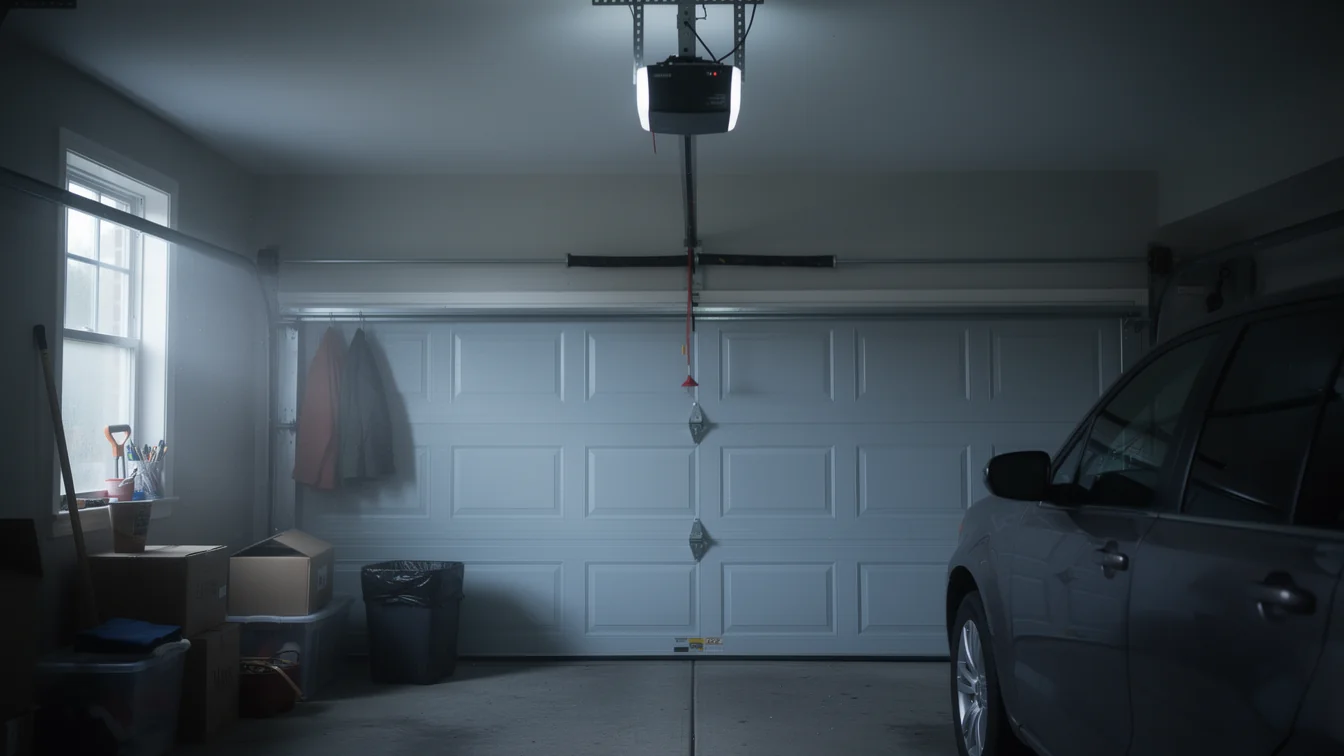
Lancaster's older housing stock and cold-climate outages put real strain on garage door openers.
Read more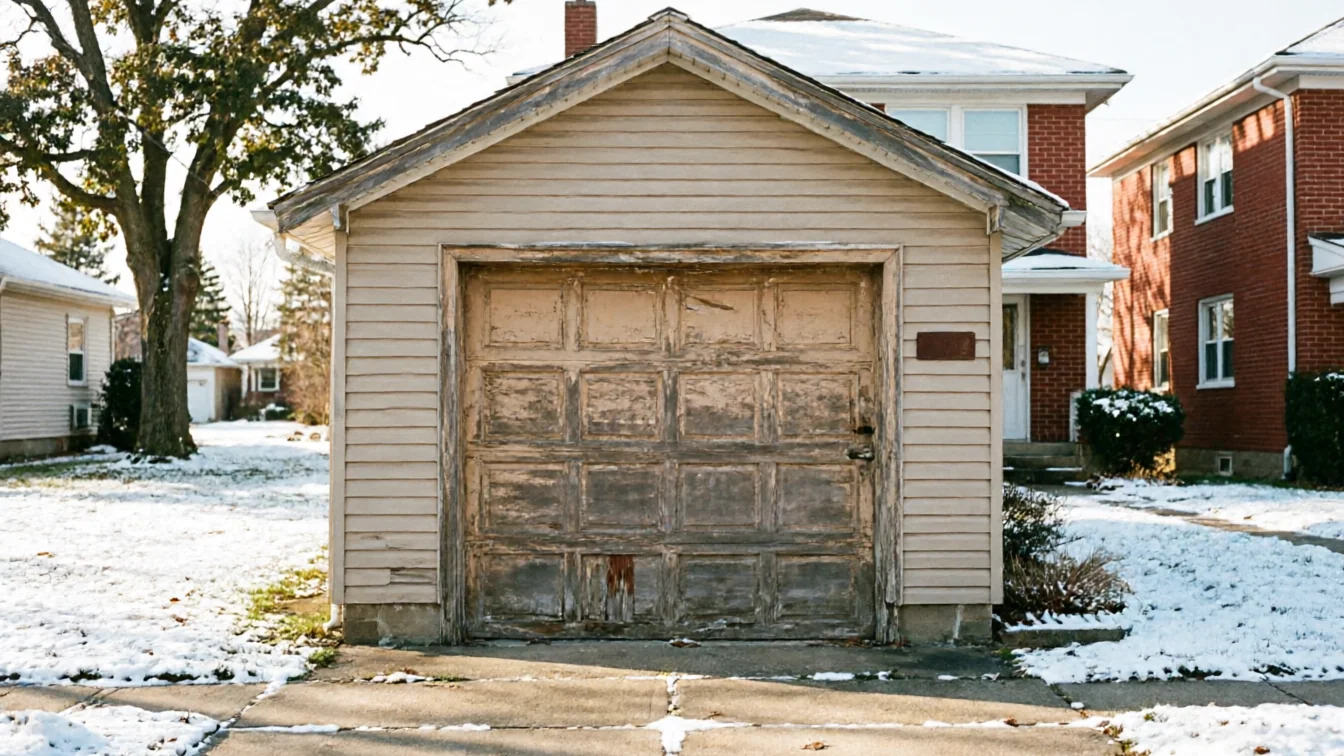
Most Lancaster homes date to the 1960s-70s, with originals going back to 1938.
Read moreReady when you are
Lancaster Garage Door Pros repairs and installs garage doors, springs and openers in Lancaster, OH and the surrounding area.