
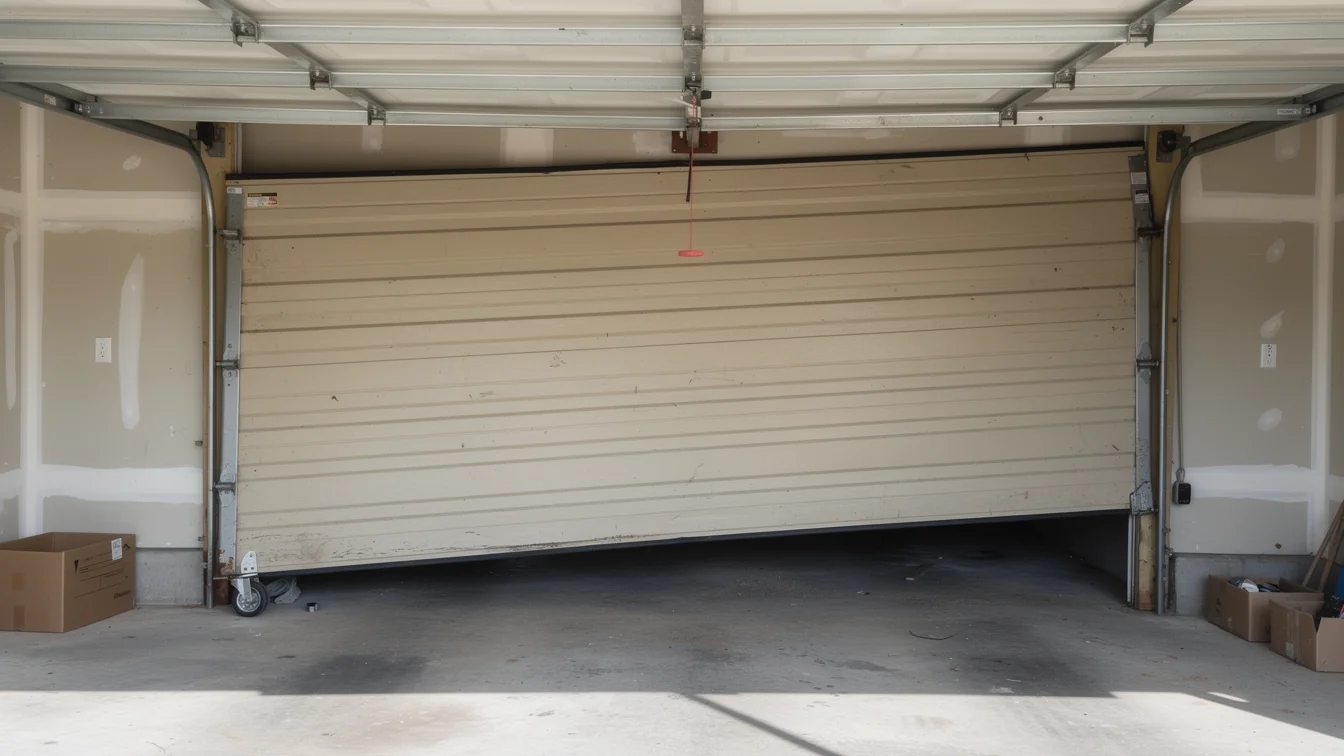
Why a Door Goes Off Track in Lancaster
Lancaster's cold winters and 1960s-70s housing stock push garage door tracks out of line.
Read moreMost Lancaster homes date to the 1960s-70s, with originals going back to 1938. Here's what cold winters have likely done to that door, and when fixing beats replacing.
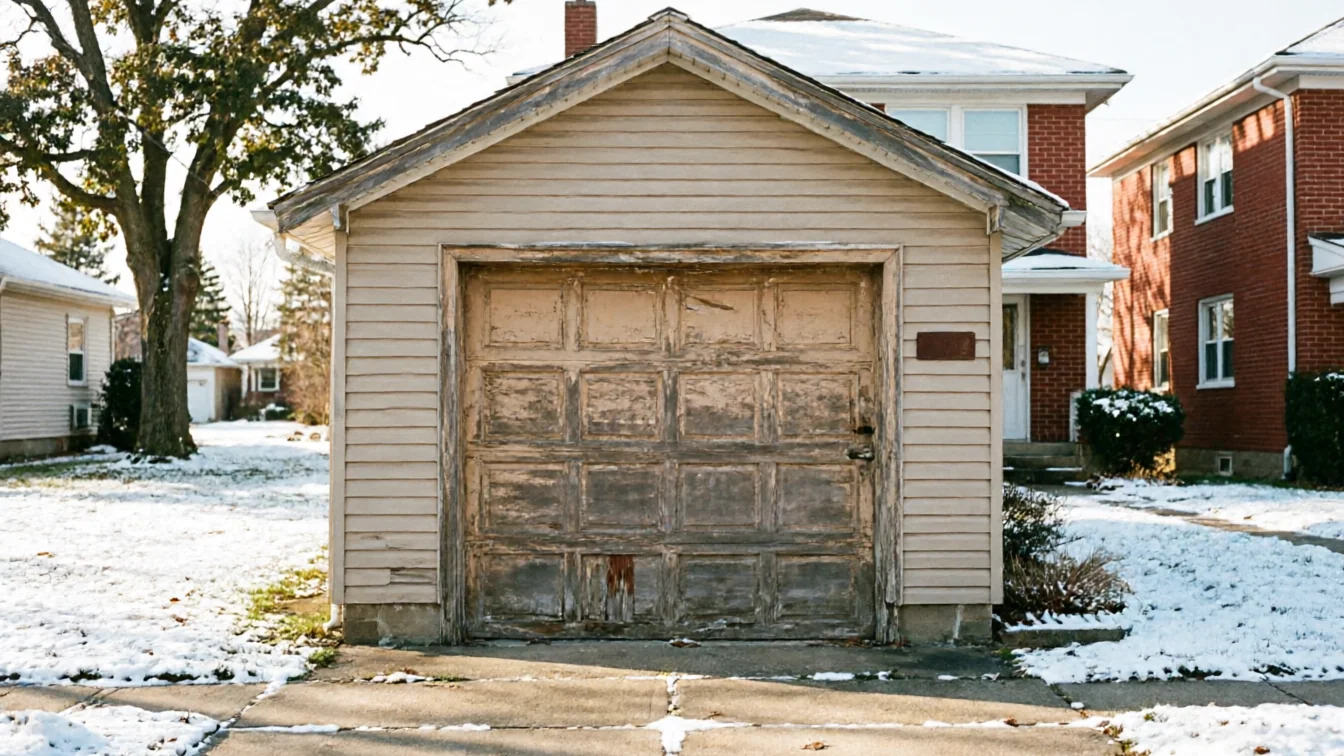
Local detail
Lancaster sits in a cold-climate band with real winter severity, and that matters more to a garage door than almost anything else about it. Cold doesn't just stiffen a spring overnight - it works on the door all season. Steel panels contract in the cold and expand again every time the sun hits them, and that cycling loosens hinge bolts, flexes weld points on older track brackets, and dries out the lubricant in torsion springs until they're grinding metal on metal. A door built in the 1960s or 70s, which describes most of the housing stock in this area, was not engineered with the insulation or weatherstripping standards used today. The bottom seal on an original door from that era is usually basic rubber, not the dual-fin seal that actually keeps cold air and slush out of a garage. Repeated freeze-thaw also attacks concrete aprons and slab edges, which throws the door's track alignment off by fractions of an inch that add up over a few winters. None of this is dramatic. It's slow wear, and it's the reason an older door in Lancaster tends to fail in January, not July.
The area
If your house was built anywhere in that 1938 to 2004 range - and most in this area land closer to the 1960s or 70s median - the door you're looking at has probably had one of three lives: original hardware that's just worn out, a replacement door from the 80s or 90s on original track, or a newer door bolted onto an old frame that was never squared up. Each of those tells a different story about what's actually wrong. Original torsion springs from that era are often undersized for today's heavier insulated panels, which is why openers strain and cables fray faster than they should. If the track brackets are the old style, lag-bolted into wood jambs rather than through-bolted into the framing, that's a sign of the house's age showing up in the door, not a defect you caused. None of this means the door is bad. It means it's old, and old parts fail in predictable ways once you know what decade you're dealing with.
What we find
Not every noise or wobble means a service call today. If the door still opens and closes on command, closes flush to the floor without a gap on one side, and the opener doesn't strain or reverse itself partway, you can reasonably wait. A little surface rust on hinges or a squeaky roller is maintenance, not failure - lubricate the rollers and hinges, not the track, and leave it alone otherwise. Where this gets risky is torsion springs: they don't give much warning before they break, and a spring under tension is not something to inspect yourself. If you're not sure how old the spring is and the house falls in that 1960s-70s build range common across this area, assume it's original and treat any new noise from it as a reason to stop opening the door by opener and start checking by hand.
How we work
Call when the door is off level by more than you can explain, when it drops suddenly partway through a cycle, or when the opener motor runs but the door doesn't move - that last one is almost always a cable or spring that's already given out. On a house with original 1960s or 70s hardware, a cracked bottom panel combined with a rusted-through bottom bracket is usually the point where fixing costs more than it's worth, because you're not just replacing one part, you're replacing the interface the whole door hangs on. We don't push replacement on a door that still has life in it - a worn seal or a bent panel on an otherwise sound door is a repair, not a reason to sell you a new one. But a door with original springs, original track, and a weathered seal going into another Lancaster winter is a door worth having looked at before the cold decides for you.
Questions
If your house was built in the 1960s or 70s, which covers most of the housing in this area, and nobody's mentioned a replacement, assume the door and track are original unless you see a installer's sticker or newer insulated panels. Original springs and track from that era are the most common cause of sudden failure.
Yes. Cold stiffens lubricant and contracts metal, so a spring that's marginal in summer can feel noticeably heavier in January. If the opener starts straining or reversing on cold mornings, that's the climate exposing a spring that was already near the end of its life, not a new problem.
When the structural parts go at the same time - a cracked bottom panel, a rusted bracket, and original springs all failing together. One of those is a repair. All three on a door from the 1960s or 70s original build means you're paying to patch a door that's going to need the same work again soon.
Recommendation
More garage door guides for Lancaster homeowners.
Lancaster's cold winters and 1960s-70s housing stock push garage door tracks out of line.
Read more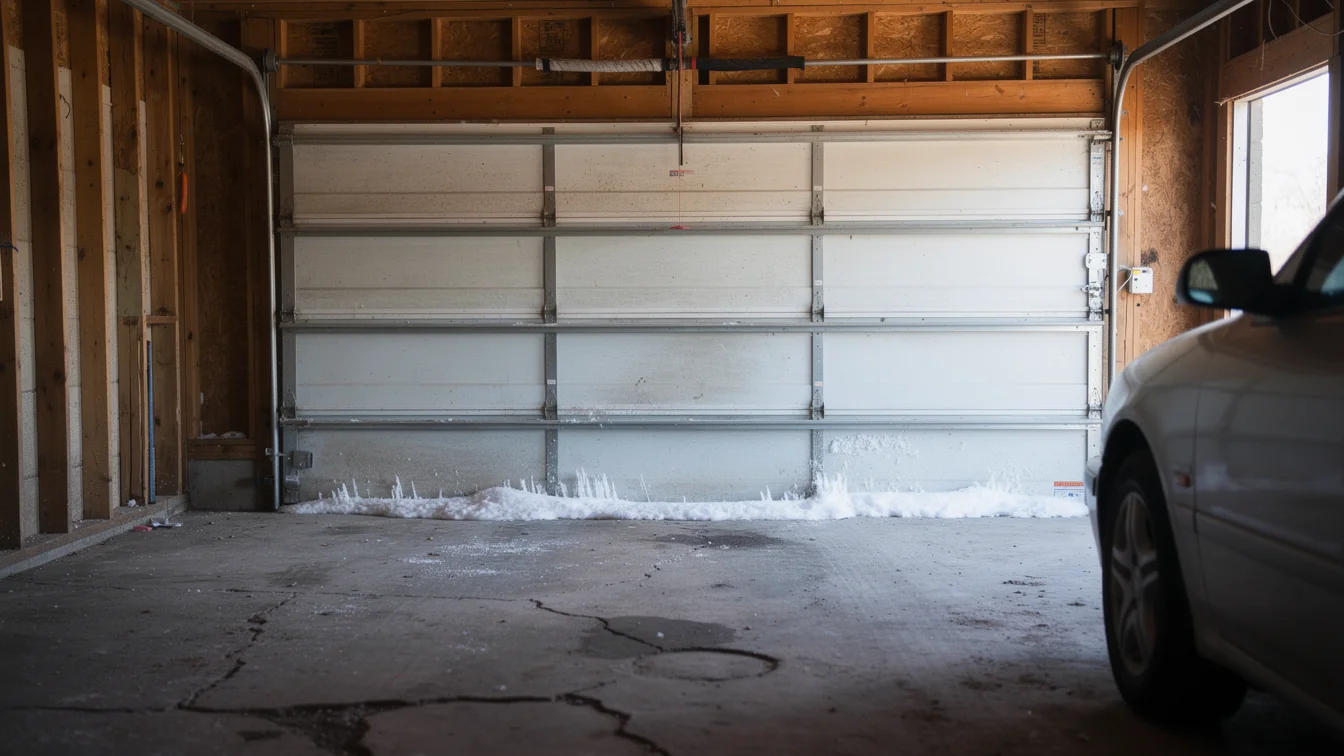
Most Lancaster garage doors date to a 1966 median build year, long before insulation codes.
Read more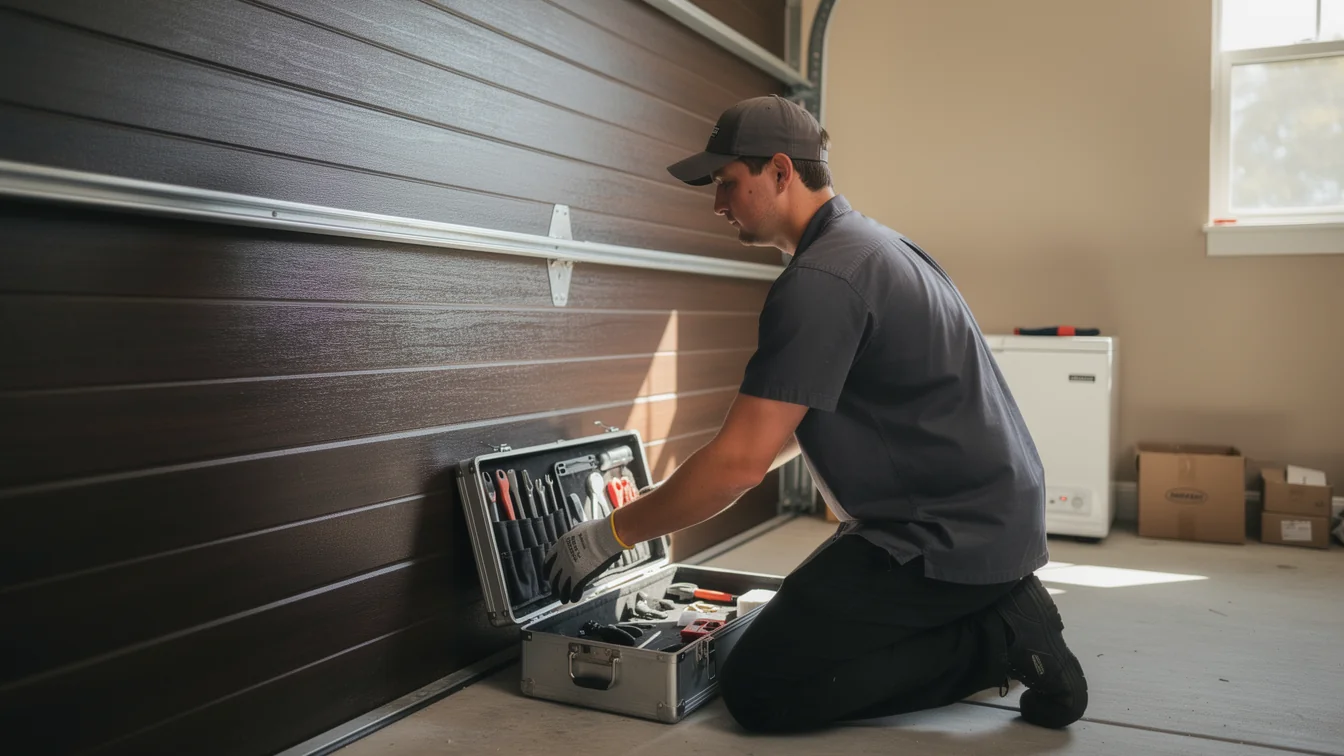
A Lancaster, OH garage door service call covers more than the fix you called about - here's what a tech checks on 1960s-70s hardware built for cold winters.
Read moreReady when you are
Lancaster Garage Door Pros repairs and installs garage doors, springs and openers in Lancaster, OH and the surrounding area.