
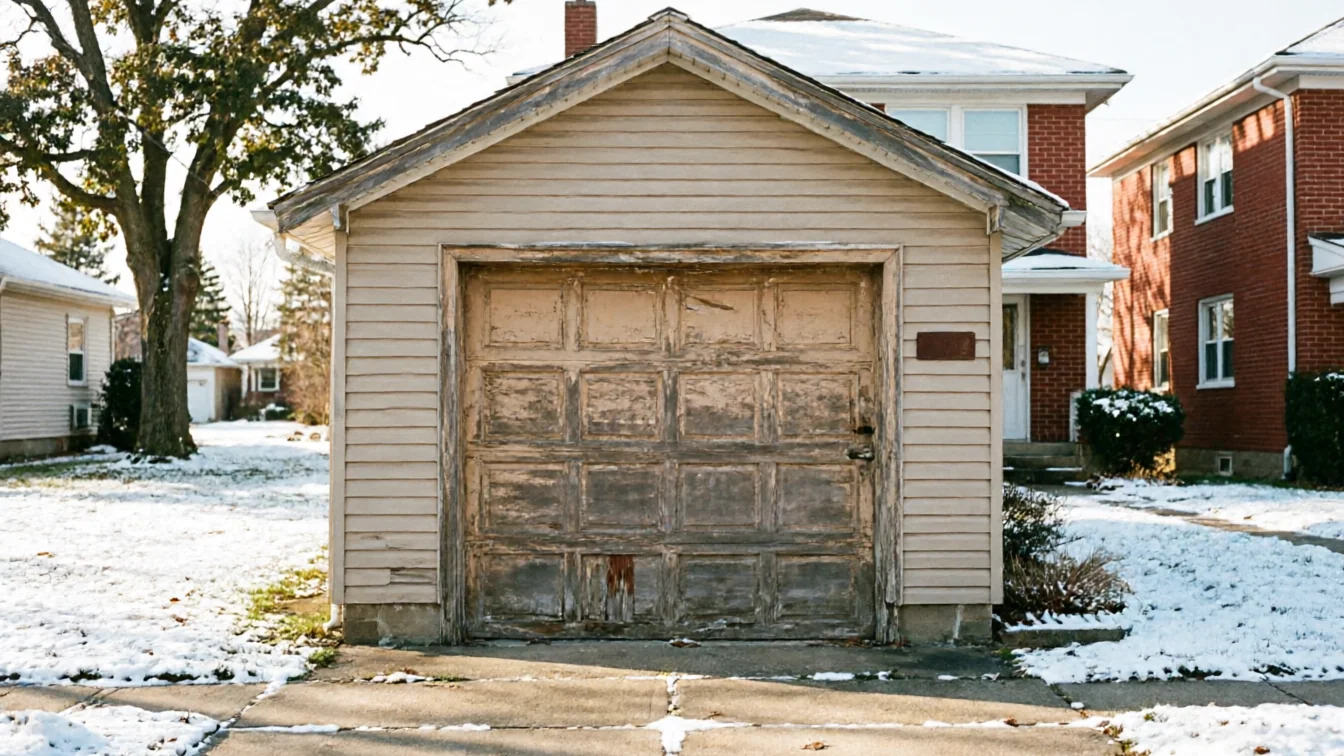
Is Your Old Lancaster Garage Door Worth Fixing, or Done
Most Lancaster homes date to the 1960s-70s, with originals going back to 1938.
Read moreMost Lancaster garage doors date to a 1966 median build year, long before insulation codes. Here's what that means for springs, panels, and winter breakdowns.
Local detail
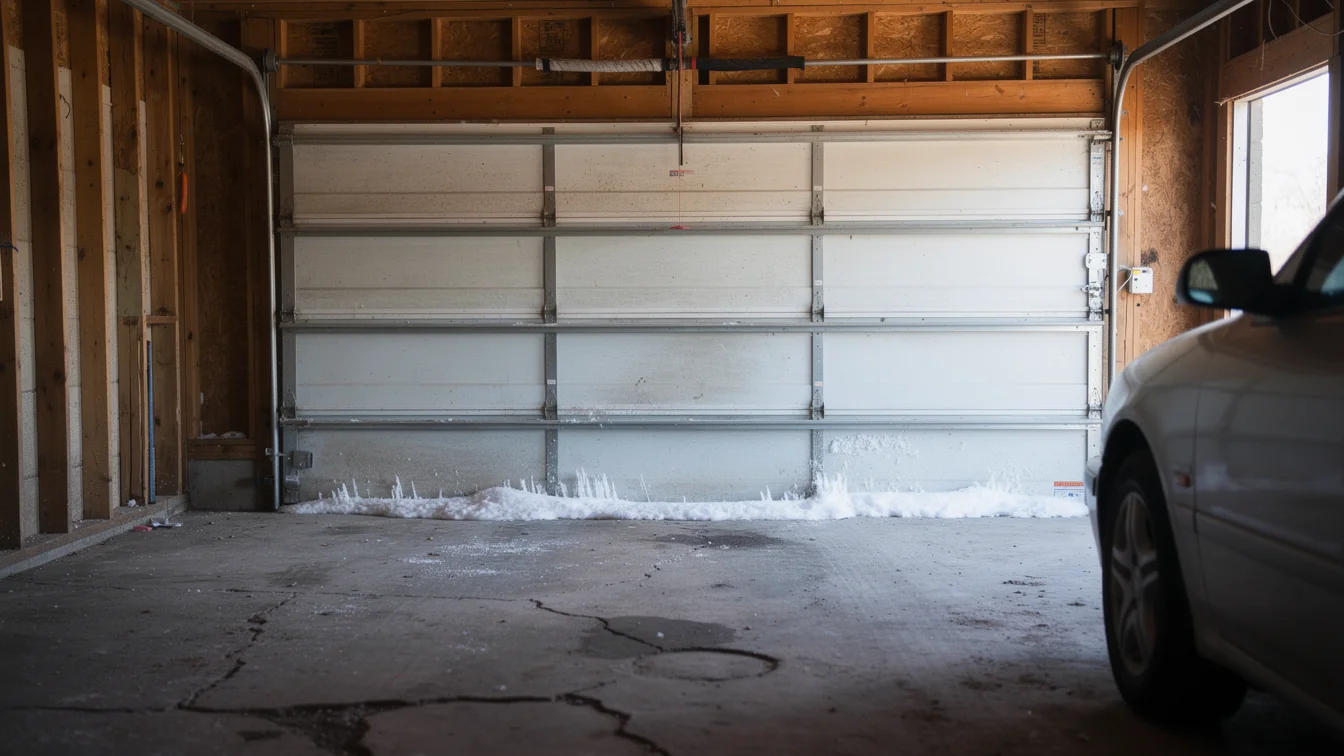
Lancaster sits in a cold-climate band with severe winter swings, and that matters more for a garage door than almost anything else on the house. Steel panels contract hard in single-digit nights and expand again on a 40-degree thaw, and that cycle repeats dozens of times a season. On a door built to the specs common when most of this housing went up - the median year here is 1966, with stock running from 1938 to 2004 - there's no foam core doing anything to slow that temperature swing. The steel just moves, and the hardware attached to it moves with it: hinges work loose, track bolts back out, and the bottom seal hardens until it stops sealing at all. Torsion springs lose tension faster in cold steel too, so a spring that was marginal in October can snap outright in January. None of this is dramatic until the morning it is - a door that's been groaning for weeks seizes up on the one day you need it to open. The fix usually isn't the weather, it's the gap between what these doors were built for and what a 2020s winter asks of them.
The area
Across the area, most houses were put up through the 1960s and 70s, and a lot of that original garage hardware is still in place - this is doors on houses built before insulation rules were part of any energy code. That means a single layer of steel with no thermal break, often paired with the original torsion spring and a bottom seal that's been replaced once if at all. The symptom list is predictable: the door feels heavier in the cold than it should, there's a visible gap at the bottom corners, and the opener strains longer than it used to before the door actually lifts. None of that is an opener problem, usually. It's an old door asking an old spring to do more work than it was wound for, on a cold morning when the steel itself is stiffer. If your house falls in that 1966-ish build range, the door is very likely original or close to it, and the hardware behind it has had sixty winters to loosen, rust, or fatigue.
What we find
Not every symptom means you need a truck out today. A door that's a little loud on a cold morning but still opens all the way, closes flush, and doesn't sag at the corners can often ride out another season - lubricating hinges and rollers and keeping the track clear buys real time on an older uninsulated panel. We won't tell you to replace a door that still does its job just because it's old; a working door on a 1960s house doesn't need to match a 2020s energy code to be fine for now. What we won't do is talk you into a full rebuild when the actual problem is a $20 seal or a stiff hinge. That said, don't confuse quiet with safe - a torsion spring under tension doesn't give much warning before it lets go, and that's not a wait-and-see part.
How we work
Call when the door starts closing unevenly, when one side drops faster than the other, or when you hear a bang followed by the door going dead weight - that's very often a broken spring, and on an older door it can take the cable or the opener gear with it if it sits unrepaired. Call too if the door has visibly pulled away from the track on one side, which shows up a lot on original hardware once the bolts have worked loose over decades of cold-weather flex. With median household income in the area at $68,661, replacing an aging door and opener outright is a real option worth pricing against a repair, not just a fallback - sometimes the repair costs most of a new door anyway once you add up spring, seal, hinges, and a service call. We'll tell you straight which side of that line your door is on.
Questions
Cold steel stiffens and torsion springs lose some of their lift as temperatures drop, so a spring that's already fatigued struggles more in January than July. On an older door without any insulation layer, the panel itself is also colder and heavier to the touch, which makes the strain more noticeable.
If your house was built in the range common across this area - most going up through the 1960s and 70s, with a median around 1966 - there's a decent chance the door or at least the spring and track hardware is original or close to it. We can tell quickly by looking at the spring type and track mounting.
If the panels are straight, the track is sound, and it's just a spring or seal, repair is almost always the cheaper call. If the door is original from the 1960s-70s era and multiple parts are failing at once, pricing a full replacement against the repair bill is worth doing before you commit.
Recommendation
More garage door guides for Lancaster homeowners.
Most Lancaster homes date to the 1960s-70s, with originals going back to 1938.
Read more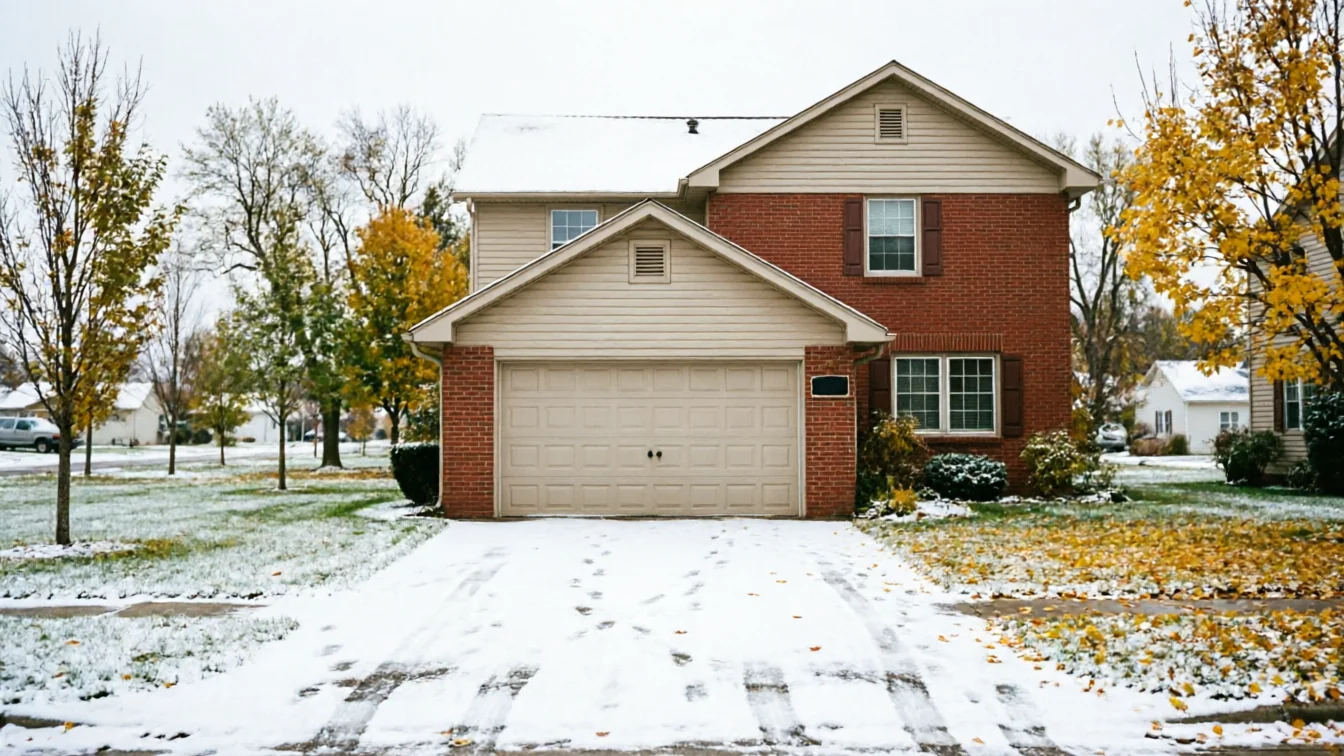
A straight look at why garage door springs snap in Lancaster's cold winters, what the area's 1938-2004 housing stock means for your hardware, and what to do about it.
Read more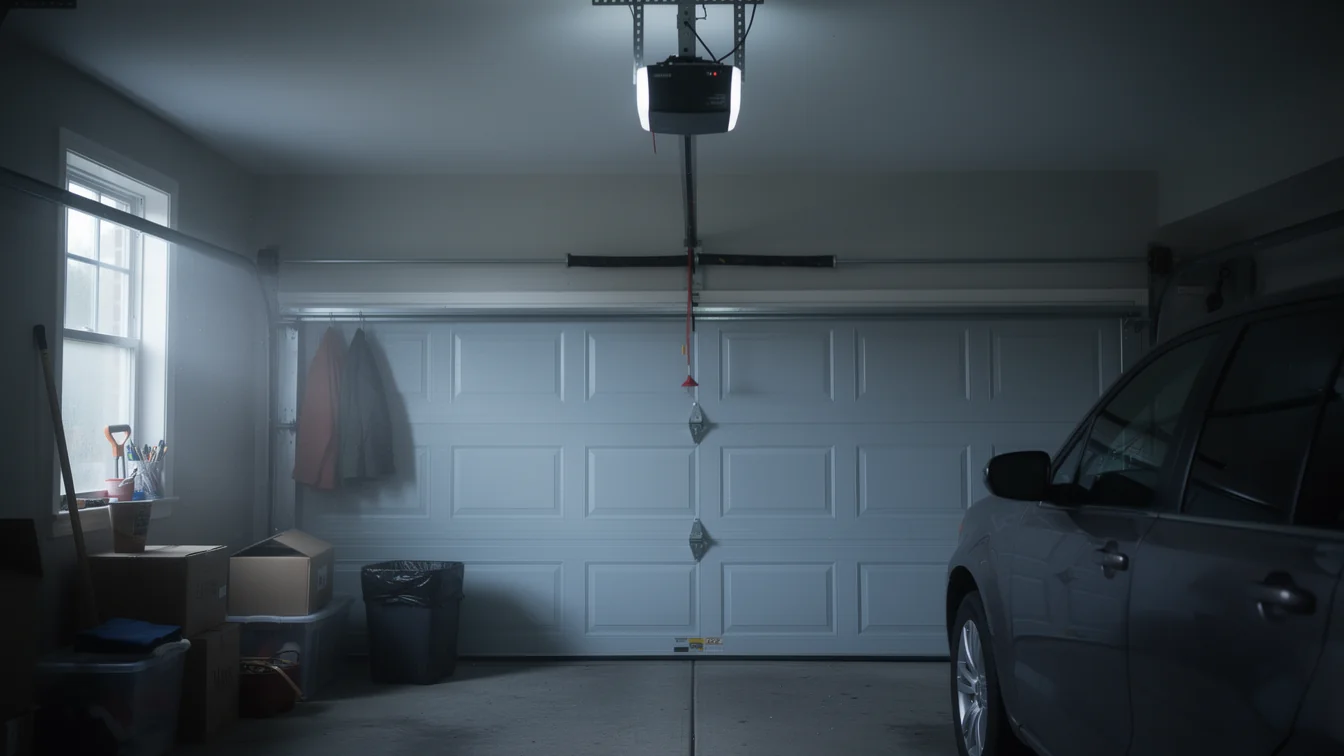
Lancaster's older housing stock and cold-climate outages put real strain on garage door openers.
Read moreReady when you are
Lancaster Garage Door Pros repairs and installs garage doors, springs and openers in Lancaster, OH and the surrounding area.