
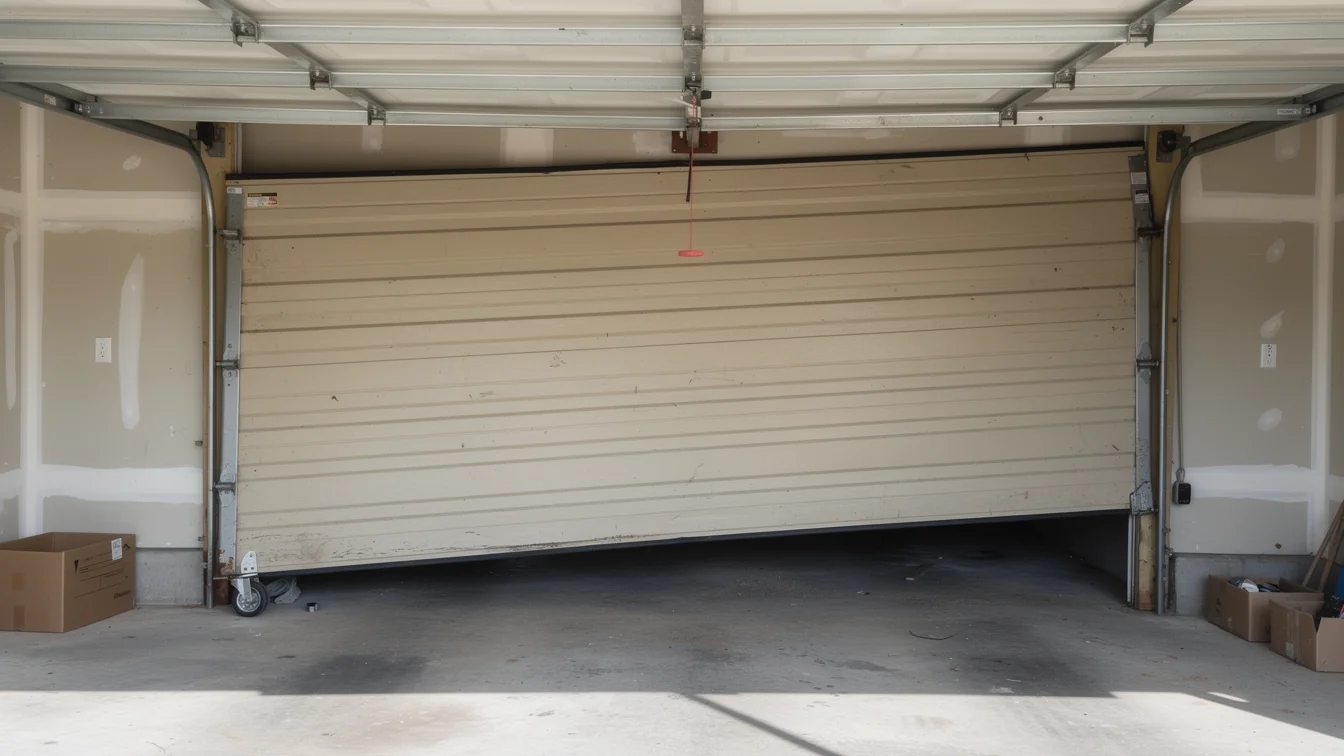
Why a Door Goes Off Track in Lancaster
Lancaster's cold winters and 1960s-70s housing stock push garage door tracks out of line.
Read moreA straight look at why garage door springs snap in Lancaster's cold winters, what the area's 1938-2004 housing stock means for your hardware, and what to do about it.
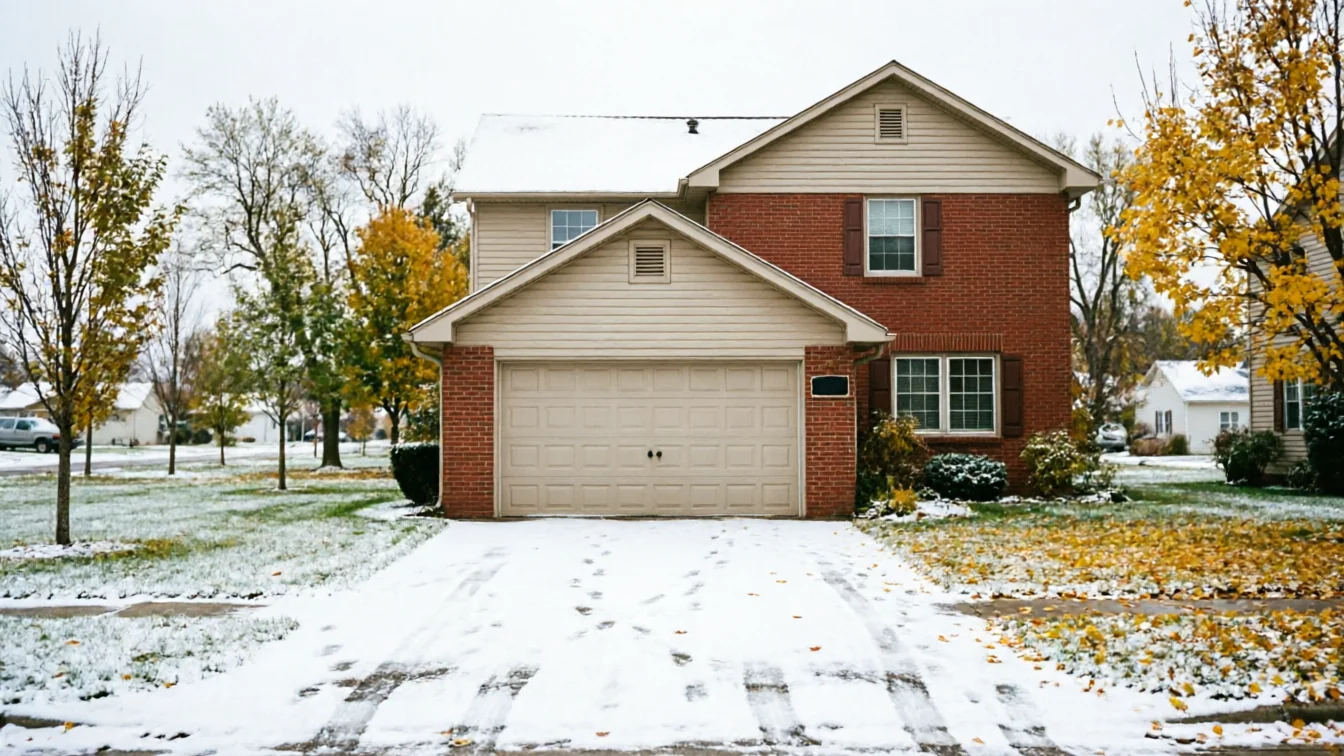
Local detail
This part of Ohio sits in a cold-severe climate band, and that matters more to a garage door spring than most people think. Steel loses flex as it gets cold. A torsion spring that stretches and recoils fine in September gets stiff and brittle in January, and the same daily cycle of load - opening and closing the door - puts more stress on metal that's already lost some give.
It isn't just the spring. Cold tightens the coil gap, dries out old lubricant into a gummy film, and makes the whole torsion bar twist harder against its bearings. On a door that's already carrying years of wear, that's the difference between a spring that holds another winter and one that lets go on a Tuesday morning when it's 12 degrees out.
Housing here runs from 1938 to 2004, with a median build year of 1966, so a lot of the springs in service right now are not original - they're replacements installed at some point on hardware designed for an older, lighter door. When a heavier insulated panel went on later without the spring being resized, that spring has been working harder than it was built for every winter since.
The area
When a spring goes in cold weather, it's usually a fatigue failure, not a random snap. Torsion springs are rated for a number of open-close cycles, and every cold morning adds wear faster than a mild one would. The coil has a small crack from metal fatigue, and the cold is what finally lets it propagate all the way through.
A lot of the housing stock across this area dates to the 1960s and '70s, and that generation of garage doors commonly used torsion hardware that's now 50-plus years removed from manufacture, even where the spring itself was swapped once or twice since. Older torsion setups can also use a single center spring on a double door, which carries more load than a two-spring system and fails louder and faster when it goes.
You'll usually hear it before you see it - a bang from the garage, sometimes loud enough to think something fell. After that, the door either won't lift at all, or an opener tries and stalls because it's suddenly holding the full weight of the door with no spring assist. Running the opener again at that point just stresses the motor and the track. The spring is gone; nothing short of replacing it fixes that.
What we find
If a spring has already broken, leave the door down and leave it alone. A broken torsion spring means the door has no counterbalance - it's dead weight on the track, and the cables under tension nearby are not something to work around in freezing weather with bare hands. This isn't a panel scratch or a noisy roller; it's a stored-energy component, and cold makes steel more likely to shatter rather than bend when it fails.
If the spring hasn't broken yet but the door has started groaning, sticking halfway, or needing a shove to get moving on cold mornings, that's fair warning, not an emergency. You can keep using the door carefully for a short while - open and close it gently, don't force it, and don't leave a car trapped behind it overnight if you can avoid it. What you shouldn't do is lubricate it yourself with whatever's in the garage; household oil gums up in cold and attracts grit, which speeds up the wear you're trying to slow down.
We don't carry every spring size on the truck for every door built between 1938 and now, so a same-day fix sometimes depends on what's actually on the door once we see it.
How we work
Call once the spring has let go - don't wait to see if the door will limp along, because it won't, and trying to force a torsion-less door open by hand is how people get hurt. Call the same day if you hear that bang, even if the door still technically moves afterward.
Short of a full break, call if the door is noticeably heavier to lift than it used to be, if it won't stay open on its own partway, or if the opener strains and reverses instead of closing. Those are signs the spring is losing tension gradually rather than snapping outright, and on a lot of the older torsion setups still in service on houses built before the 1980s, that slow failure is just as real a risk as a sudden one.
If your door is original to a house from the early part of that 1938-2004 build range, it's also worth having the spring and cable looked at before a cold spell rather than during one. A five-minute look at coil wear tells you more than guessing from how the door sounds.
Questions
Cold makes steel stiffer and more brittle, so a spring that's already fatigued from years of cycling is more likely to crack all the way through on a cold morning than a mild one. The cold doesn't create the fatigue - it just finishes the job on a spring that was already wearing out.
No. A broken torsion spring means the door has no counterbalance, so it's full dead weight on the cables and track. Leave it down and call rather than trying to lift it or force the opener to do it.
Possibly, though most springs get replaced at least once over that many decades. If you've never had it looked at, it's worth checking before winter rather than finding out when it snaps.
We'd rather you didn't use whatever's sitting in the garage. Household oils thicken in cold and pick up grit, which adds wear instead of reducing it. A proper garage-door lubricant applied correctly does more good.
Recommendation
More garage door guides for Lancaster homeowners.
Lancaster's cold winters and 1960s-70s housing stock push garage door tracks out of line.
Read more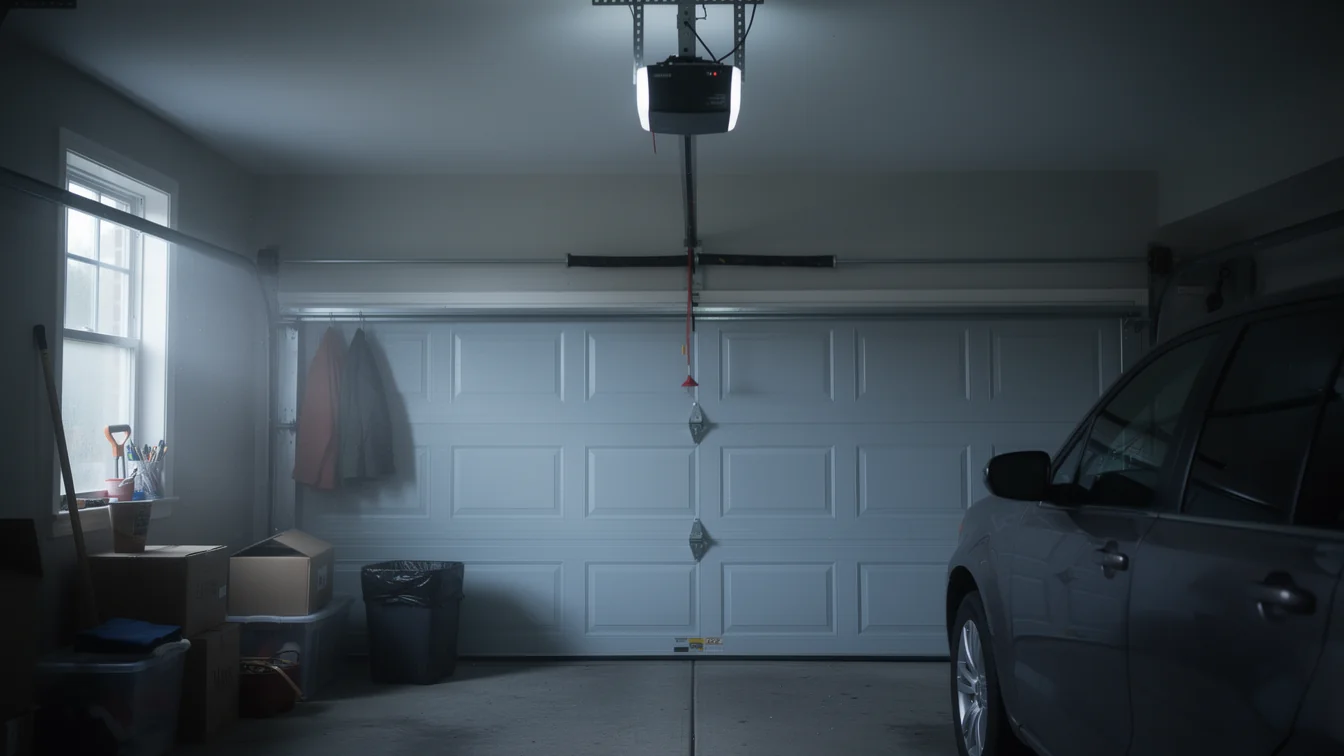
Lancaster's older housing stock and cold-climate outages put real strain on garage door openers.
Read more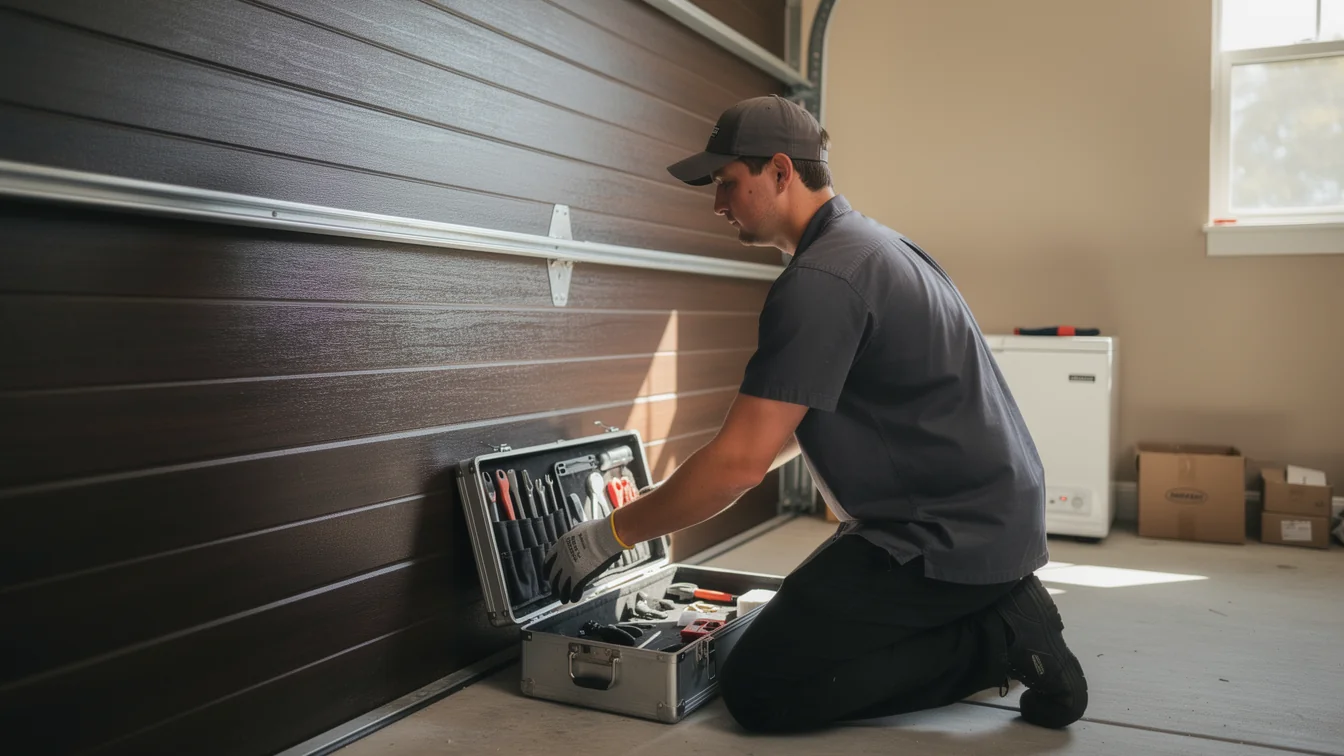
A Lancaster, OH garage door service call covers more than the fix you called about - here's what a tech checks on 1960s-70s hardware built for cold winters.
Read moreReady when you are
Lancaster Garage Door Pros repairs and installs garage doors, springs and openers in Lancaster, OH and the surrounding area.