
Lancaster, OH
Garage Door Installation for Lancaster, Ohio Homes
New garage door installation in Lancaster, OH, sized for the 1938-2004 housing stock and built for Ohio's cold winters, cracked seals, and warped panels.
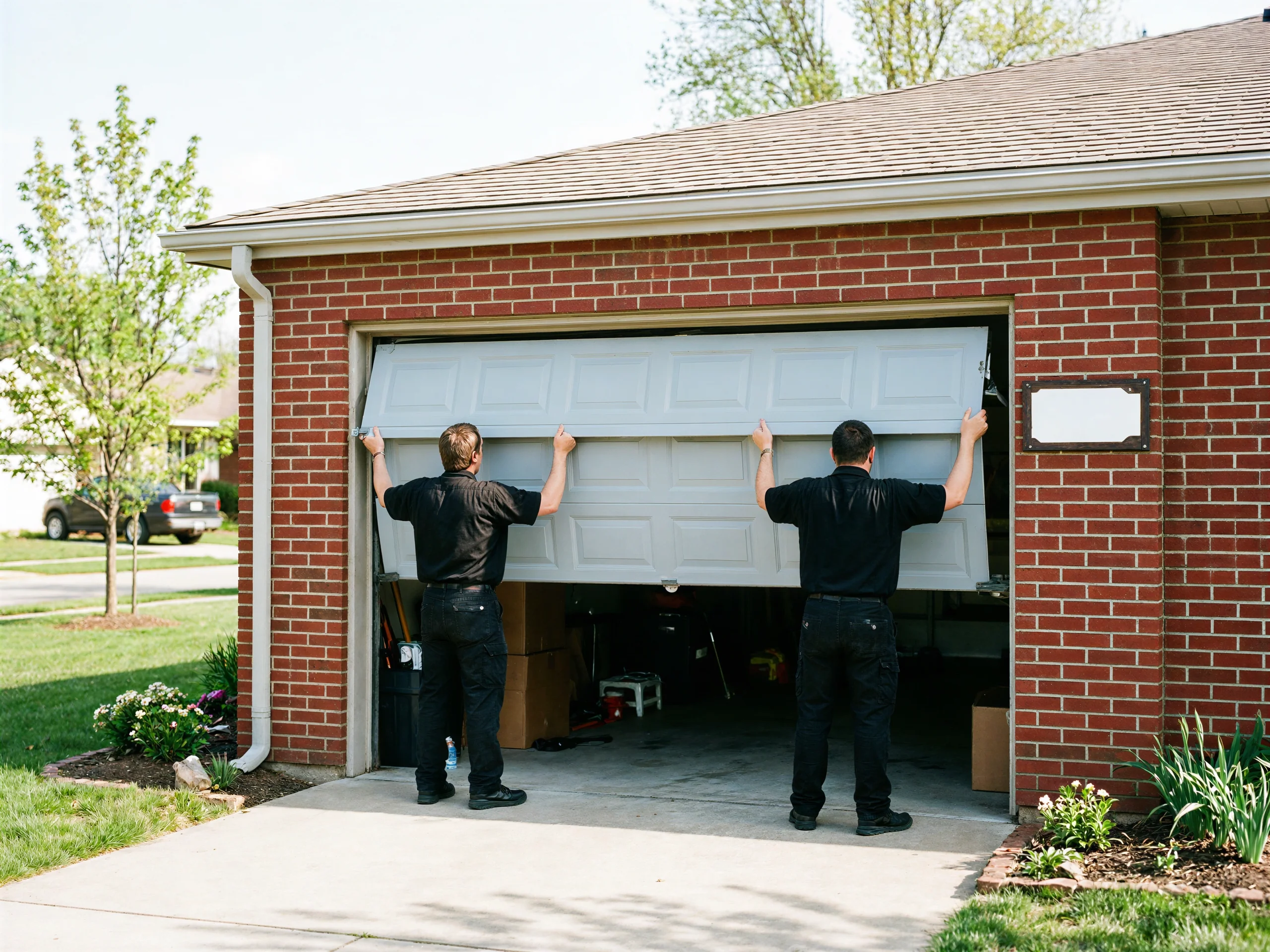
How Long You Are Without the Door
A straightforward swap, old door off, new door on, usually runs one day once the door and opener are on the truck. What stretches that is the opening itself.
Nonstandard openings from builders
Lancaster's housing stock was built between 1938 and 2004, with the median house dating to around 1966, and a lot of those openings were framed to whatever width a builder had on hand that decade, not to today's standard 16-foot or 9-foot sizes.
Built-to-order doors add time
If your opening falls outside stock dimensions, the door has to be built to order, and that adds time you don't get back by rushing the install. Here's the honest part: if your current door is a non-standard size and the replacement has to be special-ordered, we can't compress that lead time.
Weathertight interim, plan ahead
We can get the old door off and the opening weathertight in the meantime, but you should plan around the order, not around the install day. Standard-size openings move fast. Original 1960s and 70s openings, less so. Ask about your opening's width before you set a date for anything else that depends on the garage being usable.
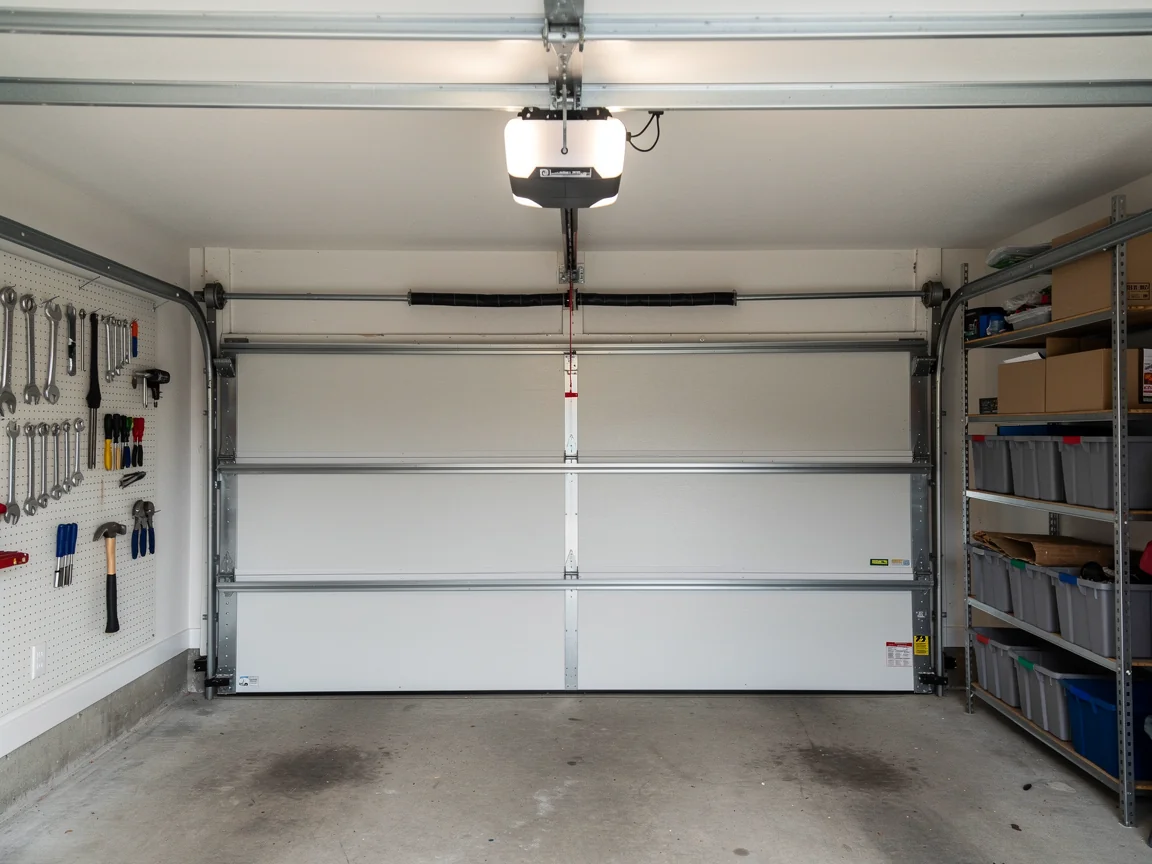
The DIY Question
A lot of homeowners can hang a shelf or swap a faucet. A garage door is a different animal because the spring, not the opener, is holding the weight of the whole door under tension.
Winding cone and bars
On the older single-torsion-spring setups common in houses from the 1960s and 70s stock around Lancaster, that spring is wound to a tension nobody can eyeball safely without the right bars and a winding cone that matches the shaft. The install itself isn't just bolting panels together.
Force limits prevent crushing
Track has to be plumbed, the header bracket has to carry the right load for the door's weight, and the opener has to be set to a force limit that won't crush something, or someone, if the door meets resistance. Get any one of those wrong and the door either won't seal against the weather or it will come down on something it shouldn't.
Panels fine, installs not
If you're set on doing panel replacement or hardware swaps yourself, that's a reasonable call on a door that still has a working spring and track. Full installation, including a new spring and new track alignment, is not a first-timer job, and we'll say so plainly if you ask us.
How It Shows Up
Most of the calls for full installation, rather than repair, start the same way: a door that's original to a house built sometime between 1938 and 2004, with the bulk of the stock across the area dating to the 1960s and 70s.
Panels delaminate, tracks rust
That door has outlived its hardware. Steel panels from that era delaminate at the seams, wood composite panels swell and split, and tracks mounted to the original framing have rusted at the bolts.
Cosmetic signs precede failure
The tell is usually cosmetic before it's structural: paint flaking off a panel in sheets, a bottom section that doesn't sit flush anymore, a door that's visibly sagging on one side even though the opener still runs it up and down fine.
Whole-door replacement threshold
By the time it gets loud or starts binding in the track, the spring and rollers are usually past the point where swapping one part fixes it. At that stage, replacing the whole door and matching new track to the opening costs less, over a few years, than feeding parts into an original 1960s frame one failure at a time.
Why This Fails Locally
Lancaster sits in a climate band classed as cold and severe, and that's the piece that turns an old door from cosmetically tired into actually failing. Steel panels expand and contract with temperature swings season to season, and on an original door that's fifty or sixty years old, the paint and seam seals have already lost whatever flex they started with. Each freeze-thaw cycle works the bottom seal and the weatherstrip a little looser, which is why so many of these older doors let in a draft at the floor before anything else goes wrong.
Cold also works against the spring directly. Steel loses some of its give in sub-freezing temperatures, so an original spring that was already near the end of its wind count works harder on every cold-morning open than it did when the house was new. That's a mechanical problem, not a maintenance one, and it's specific to how long these doors have been sitting through Ohio winters. A new door and properly matched spring handles that cycling the way the original setup, built for a different era's weather expectations, no longer can.
Questions
Common questions
How do I know if my garage door opening is a non-standard size?
If your house was built before the 1980s, there's a real chance it's not a stock width. We measure the rough opening on the first visit and check it against standard door sizes before ordering anything, so you know up front whether you're looking at a stock door or a special order.
Is it worth replacing just the panels instead of the whole door?
Sometimes, if the track, spring, and rollers are still in good shape and only one or two panels are damaged. On an original door from the 1960s or 70s, though, matching panels is often harder than just replacing the unit, and the older hardware around it is usually close to its own end of life anyway.
Does a new insulated door make sense for a cold Lancaster winter?
Given the area's cold, severe climate classification, an insulated door cuts down on the draft and condensation issues that come with an old uninsulated steel or wood door. It won't heat the garage, but it holds the temperature swing down, which matters most on the coldest mornings.
What does installation typically cost to budget for?
We don't quote a number without seeing the door and opening, since stock size versus special order changes it substantially. Median household income in the service area runs around $68,661, and most installations here land within a working budget for that, but get a firm measurement-based quote before you commit to a figure.
Explore more
Explore More Services In Lancaster, OH
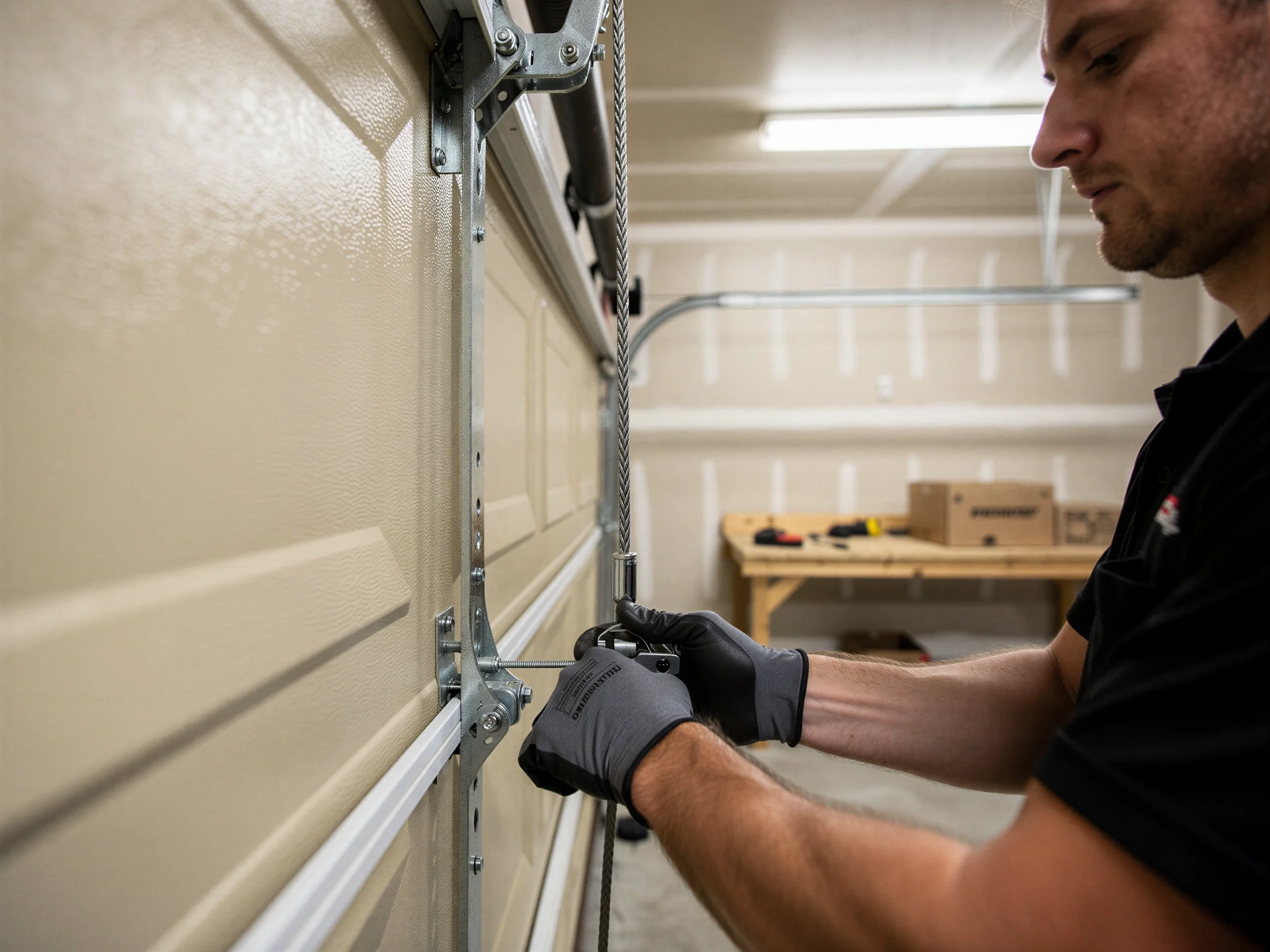
Garage Door Cable Repair, Lancaster OH
Snapped or frayed garage door cables are common on Lancaster's older housing stock. Learn more →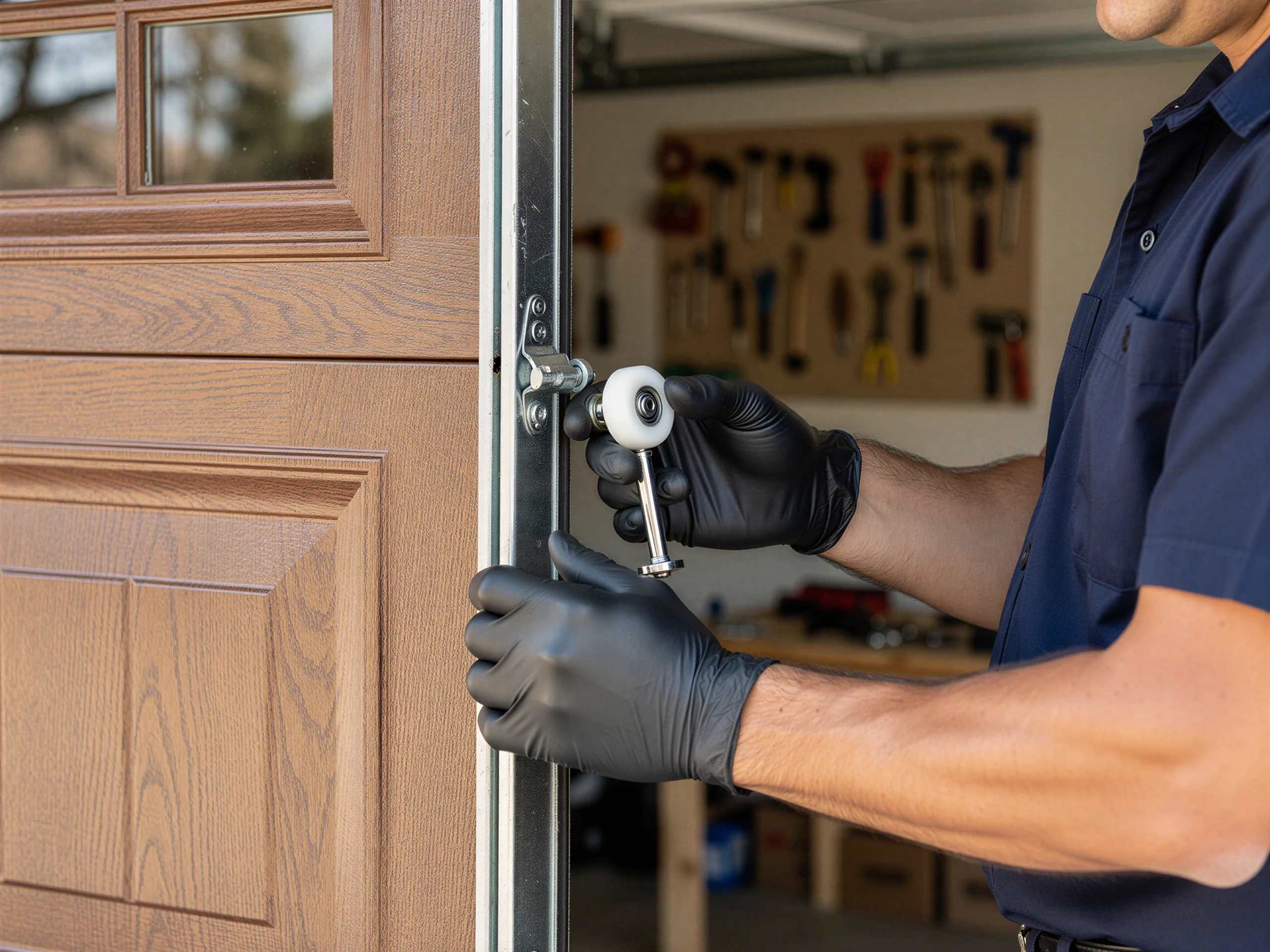
Garage Door Roller Replacement for Lancaster, OH Homes
Worn rollers on original 1960s-era doors are the most common roller call in Lancaster, OH. Learn more →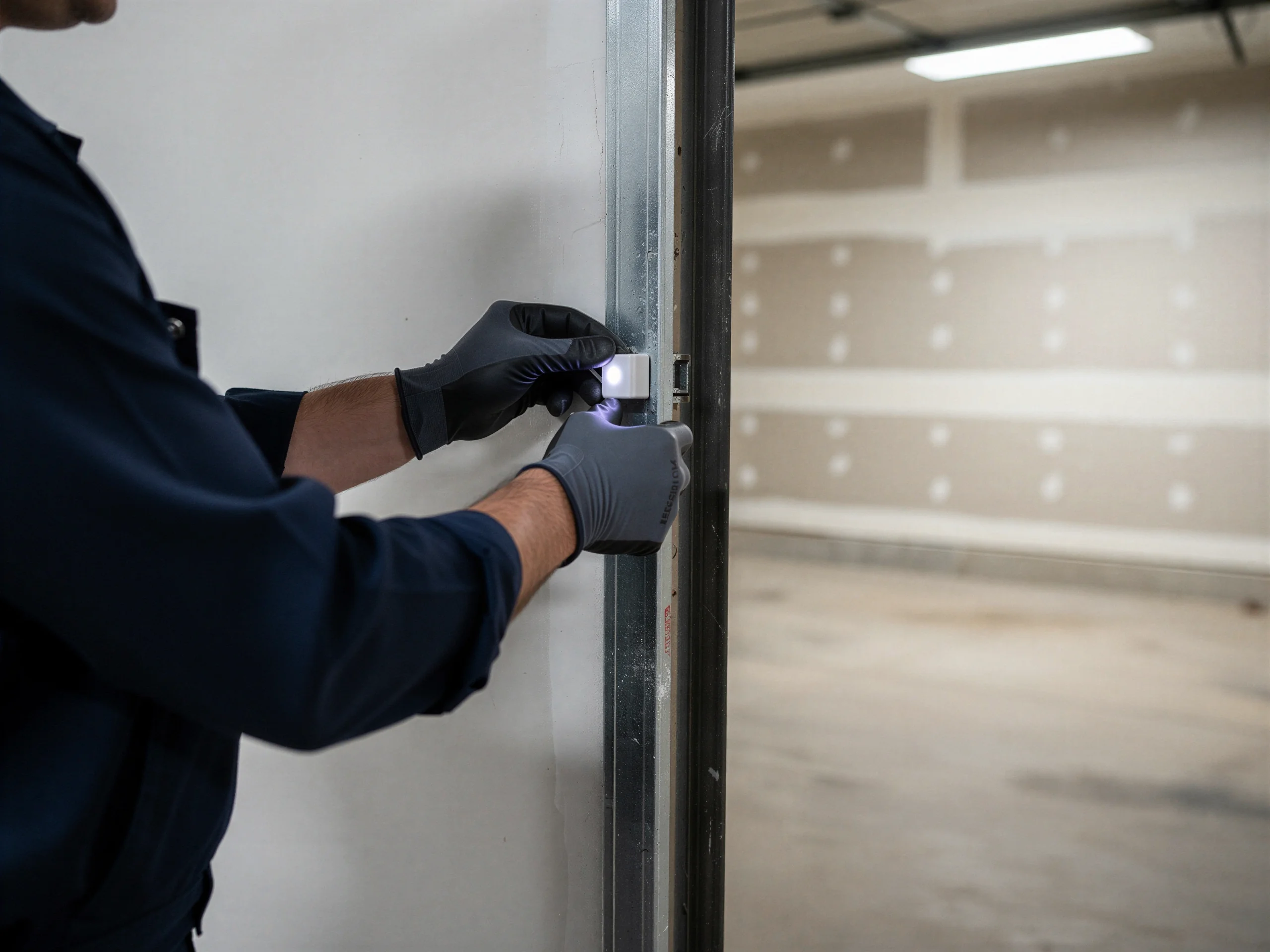
Garage Door Opener Repair, Lancaster OH
Opener trouble in Lancaster's older housing stock usually traces back to winter cold and original hardware. Learn more →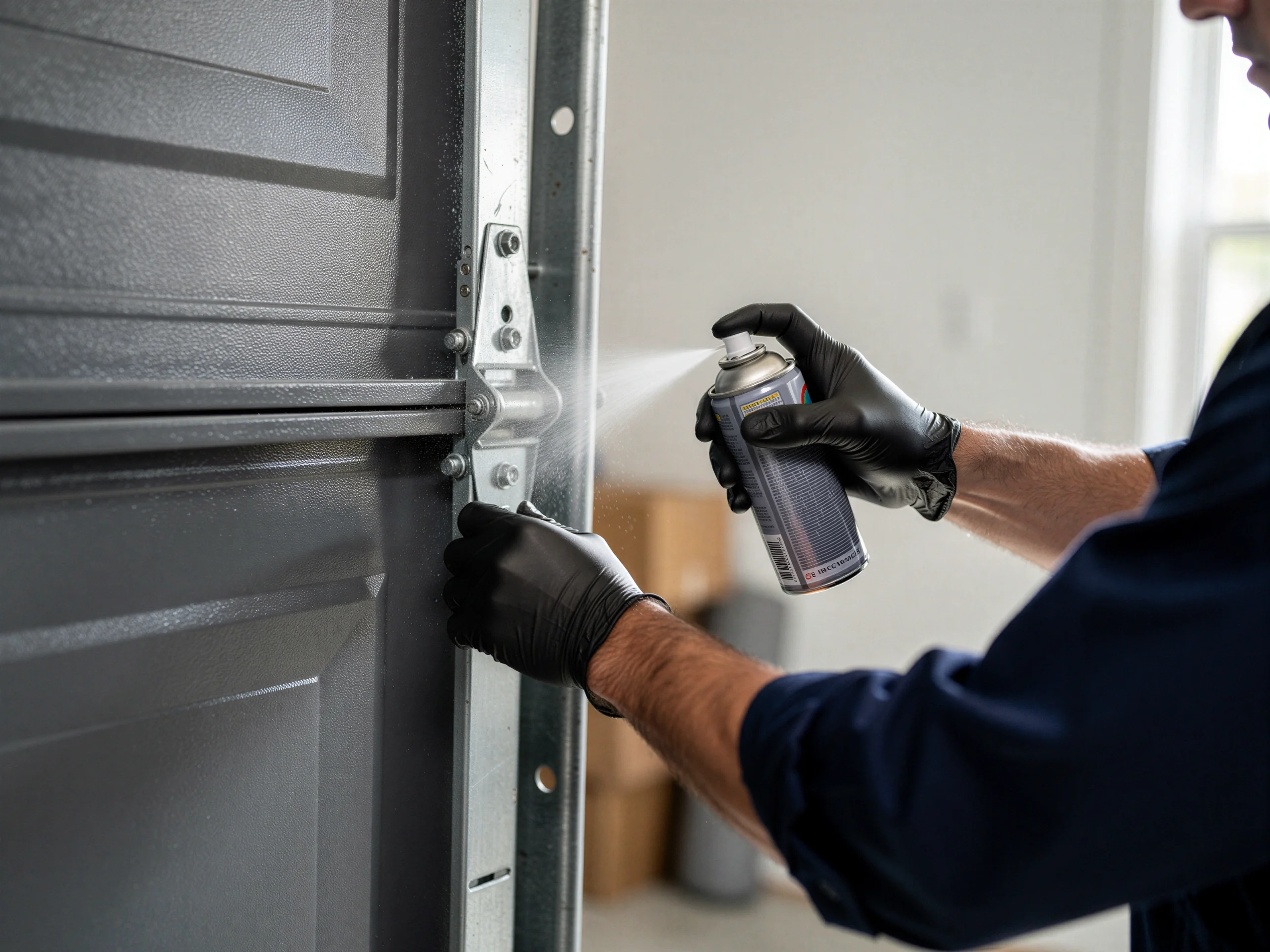
Garage Door Repair & Service for Lancaster, OH Homes
Garage door repair and service in Lancaster, OH, where most houses date to the 1960s and original torsion hardware wears out fast in Ohio's cold winters. Learn more →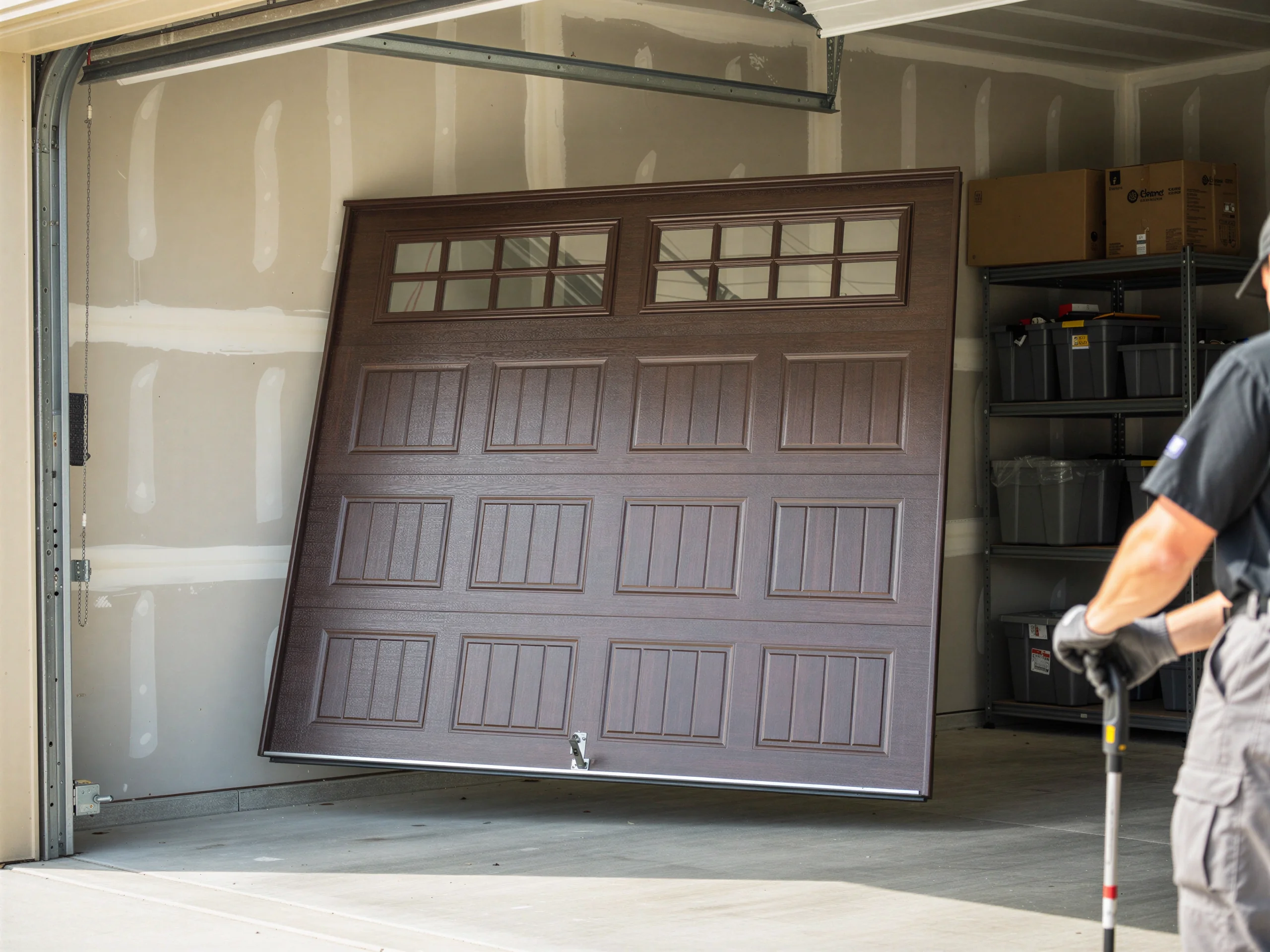
Garage Door Off Track: What's Going On and What It Takes to Fix
Garage door jumped the track in Lancaster, OH? Learn more →
Garage Door Maintenance Built Around Lancaster's Older Housing Stock
Service for homes built 1938-2004 across Lancaster's older neighborhoods, where cold winters and original hardware wear springs, rollers, and openers faster than newer builds. Learn more →Ready when you are
Ready for a new garage door in Lancaster?
Lancaster Garage Door Pros repairs and installs garage doors, springs and openers in Lancaster, OH and the surrounding area.