
Canal Winchester, Lancaster
Garage Door Maintenance for Canal Winchester's Newer Housing Stock
Canal Winchester's housing mostly dates to around 2000, decades newer than the rest of our service area. See how that changes what your garage door needs and what maintenance actually costs.
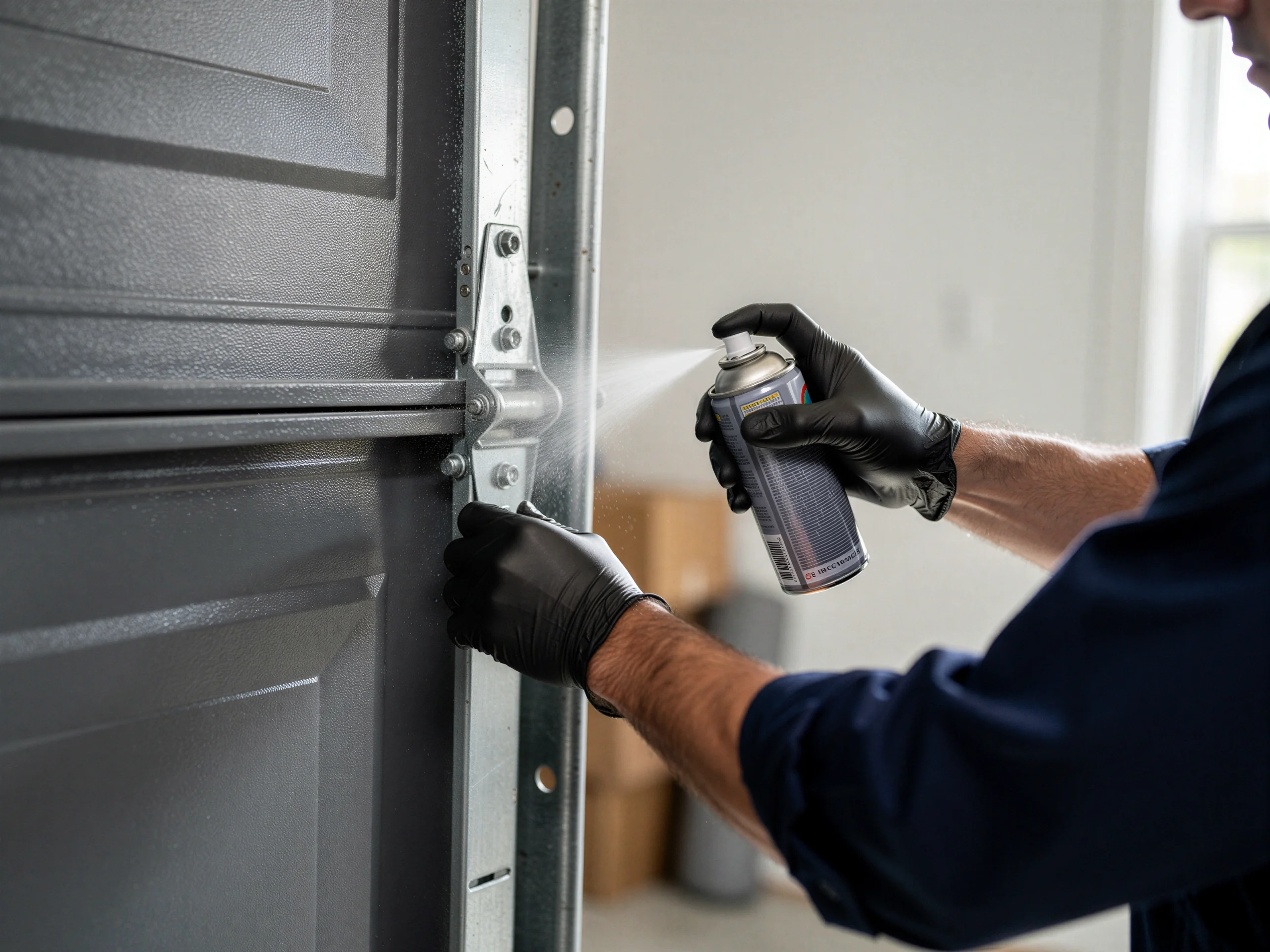
What It Costs
We don't post a flat maintenance price here, and we won't make one up to fill space. What a visit runs depends on the door, the opener, and what's actually wrong with it, and that's true whether the door is five years old or forty.
Newer homes, different costs
What we can tell you is how this area tends to differ from the cost conversation elsewhere in our service area: homes here were mostly built around 2000, decades newer than the 1966 median build year across the rest of what we cover.
Less corrosion, diagnostic visits
Newer doors usually mean less corrosion on tracks and hardware, fewer rust-seized hinges, and openers that are still inside their expected service life rather than on their third circuit board. That generally means a maintenance call here is diagnostic and preventive rather than a rescue job. The honest limitation: we can't quote a number over the phone before we've seen the door.
Priced by job type
A torsion spring job and a sensor alignment job aren't priced the same, and guessing at it before a tech looks at the setup does nobody any favors. With median household income here at $112,474, well above the $68,661 figure for the broader area, we also see more owners opt for a maintenance visit before something breaks, rather than waiting for a failure call.
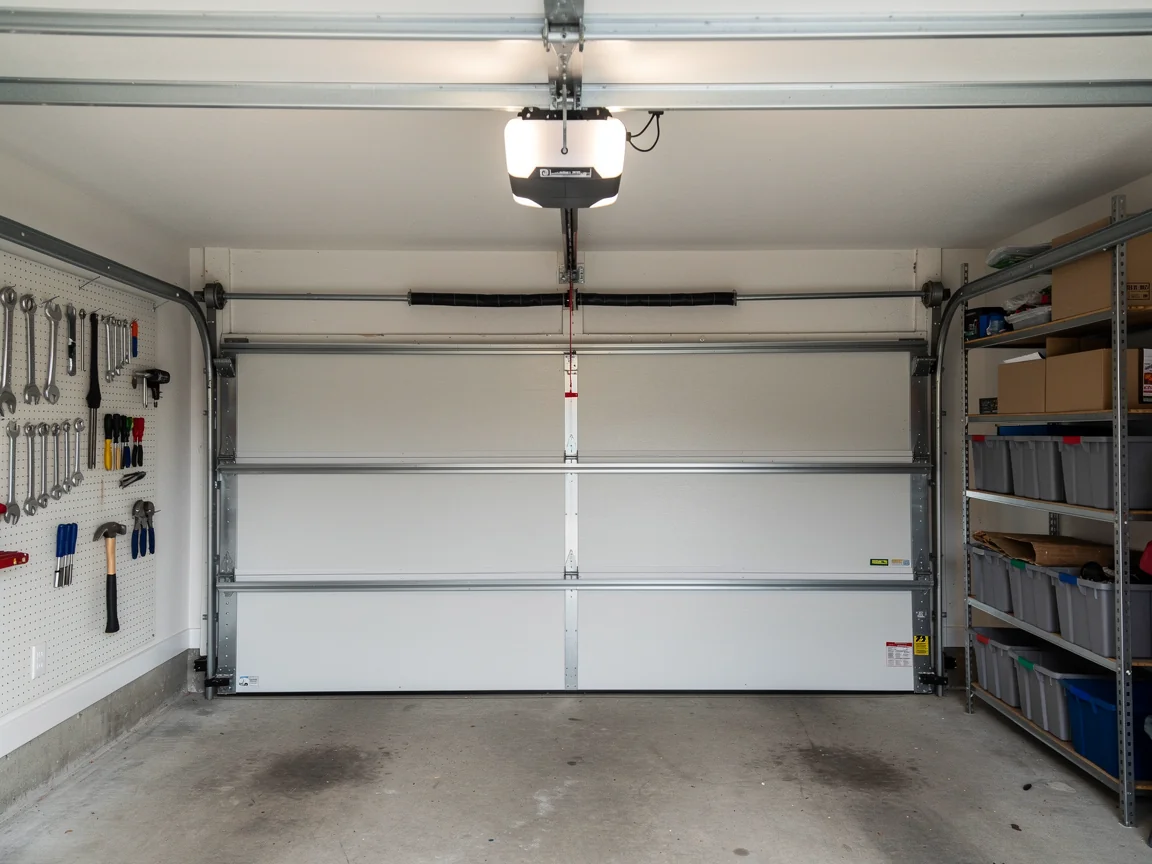
Parts We Carry
On trucks working this area, the mix leans toward parts for steel sectional doors built from the mid-1990s on: nylon rollers, galvanized torsion springs sized for insulated panels, and photo-eye sensor units, since most garage doors here were built well after the 1993 federal mandate for auto-reverse safety sensors.
Original equipment sensors
That's a real difference from older stock elsewhere in the service area, where doors predate that requirement and sometimes have sensors added on later, mismatched to the opener. Here, the sensor is usually original equipment, and when it fails it's almost always a dirty lens or a knocked-out-of-alignment bracket rather than a missing part.
Hardened seals and frayed cables
We also carry standard weatherstripping and bottom seals, cables, and hinges, since even a door built in 2000 is now old enough that rubber seals have hardened and cables have started to fray from cold-weather flexing.
Proprietary smart-home modules
What we don't stock on the truck is anything proprietary to a single opener brand's smart-home module; if your opener has a specialty circuit board, that's a parts-order job, not a same-visit fix.
The DIY Question
Lubricating rollers and hinges, tightening loose bolts on the track brackets, and testing the auto-reverse by placing a block under the door are all things an owner can do without a truck showing up.
Newer-door upkeep pays
On doors from this era, that maintenance tends to pay off better than it would on an older door, because the hardware underneath is in better shape to begin with. Where we'd stop you: torsion spring adjustment or replacement. These springs store enough force to cause a serious injury if they let go while you're working on them, and that's true no matter how new the door is.
Sensor fixes take minutes
Cable work is the same category. If your photo-eye sensors won't align and you've already wiped the lenses and checked for a bent bracket, that's usually a five-minute fix for someone who does it daily, and chasing it yourself for an hour isn't worth it.
Wear, not homeowner error
The honest answer here is that most of what goes wrong on a 20-to-25-year-old steel door is mechanical wear, not something a homeowner caused, so there's rarely a DIY shortcut worth taking before calling it in.
Why This Fails Locally
The region sits in a cold, severe climate band, and that matters for a door built around 2000 in a different way than it does for an older wood-panel door. Insulated steel panels handle a hard freeze fine structurally, but the grease in the roller bearings and the lubricant on the torsion spring both thicken in cold weather, and a door that was smooth in October can start binding or grinding by January. On a newer door, that's often the first sign anything's wrong, because there isn't decades of accumulated wear masking it. The photo-eye sensors common on doors this age are also sensitive to cold-weather condensation fogging the lens, which reads as a safety fault and stops the door from closing. None of this is unique to any one house, but it's a pattern we see consistently on doors in this build-year range once the seasonal freeze sets in, and it's different from the failure pattern on the older wood-sectional doors still common on the rest of the service area's older streets.
How Long You Are Without the Door
We run out of Lancaster, 14 miles from here, so there's no local branch and no same-day walk-in counter to swing by. For a maintenance visit, that distance isn't the bottleneck, scheduling is. For a repair where a part has to be ordered, the gap depends on what's needed; a common roller or cable is usually on the truck already, but a specific opener logic board or a less common spring size can mean a short wait while it comes in. We won't promise a turnaround time we can't back up with a parts guarantee we actually hold. What we can say is that newer doors in this area, being under 25 years old rather than pushing 60, tend to need common parts rather than discontinued ones, which cuts down on the waiting-for-a-part scenario that's more common on the service area's oldest housing.
Questions
Common questions
Why does my garage door need different parts than my cousin's house in Lancaster?
Housing in Canal Winchester is mostly built around 2000, while the broader service area has a median build year of 1966. Newer doors use different spring sizing, factory-installed photo-eye sensors, and steel panels instead of wood, so the parts and the failures differ from an older door even though both are garage doors.
Do you have a crew based in Canal Winchester?
No. We work out of Lancaster, about 14 miles away, and travel in for jobs here. There's no local branch or walk-in counter, which is worth knowing if you're expecting a same-day drop-in rather than a scheduled visit.
My photo-eye sensors keep stopping the door from closing. Is that normal here?
It's common. Most doors in this area were built after the 1993 federal requirement for auto-reverse sensors, so the sensors are original equipment, not an add-on. Cold-weather condensation fogging the lens, or a bracket that's been bumped slightly out of alignment, accounts for most of these calls.
Should I do maintenance myself or call it in?
Lubricating hinges and rollers and checking the auto-reverse yourself is fine. Torsion spring adjustment and cable work store enough force to cause a serious injury and aren't a DIY job regardless of how new the door is.
Explore more
More Services in Canal Winchester
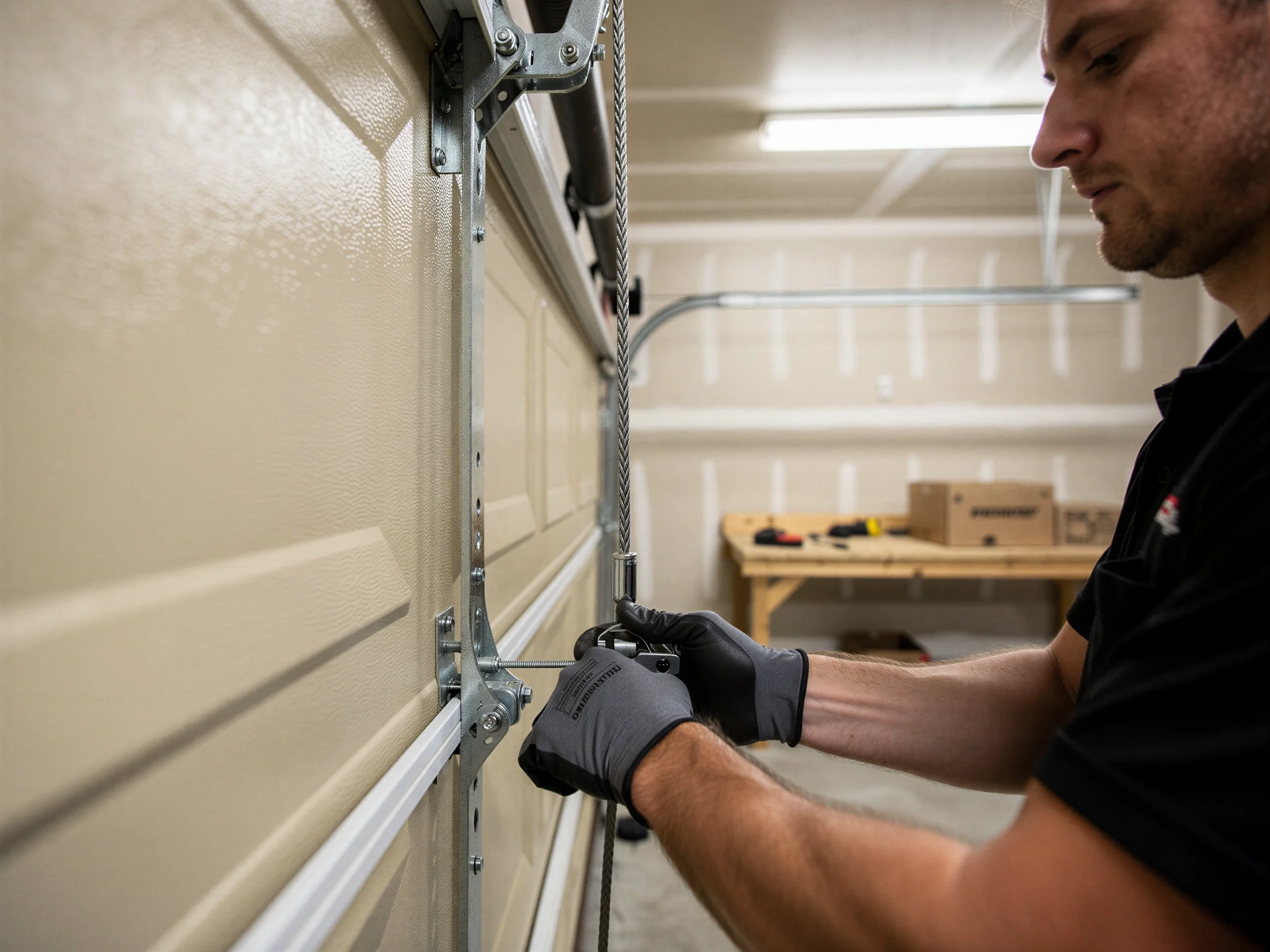
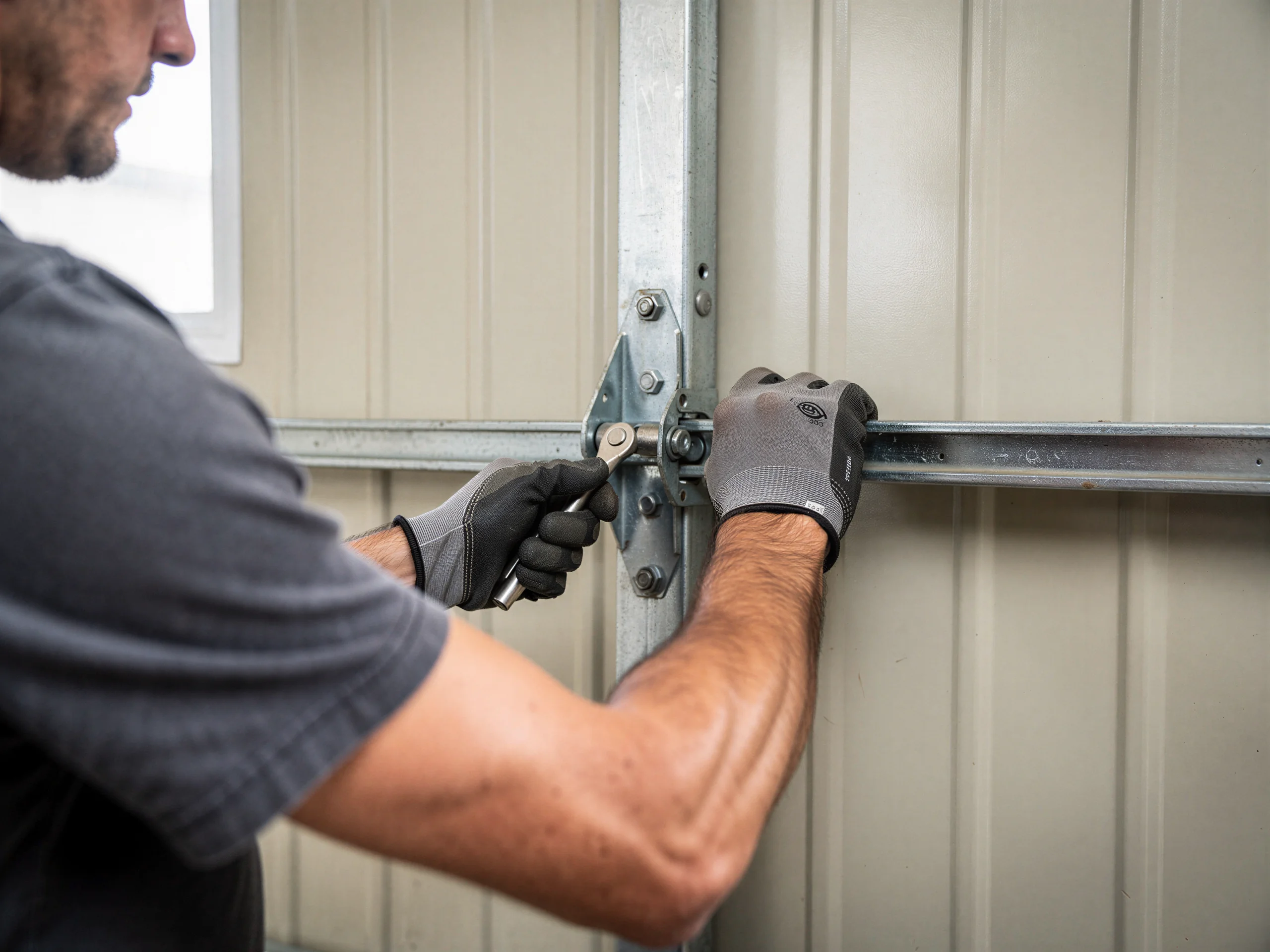
Garage Door Repair
Canal Winchester homes mostly date to 2000, not the 1960s stock common elsewhere in our service area. Learn more →
Garage Door Service
Garage door repair and parts for Canal Winchester homes, most built after 2000. Learn more →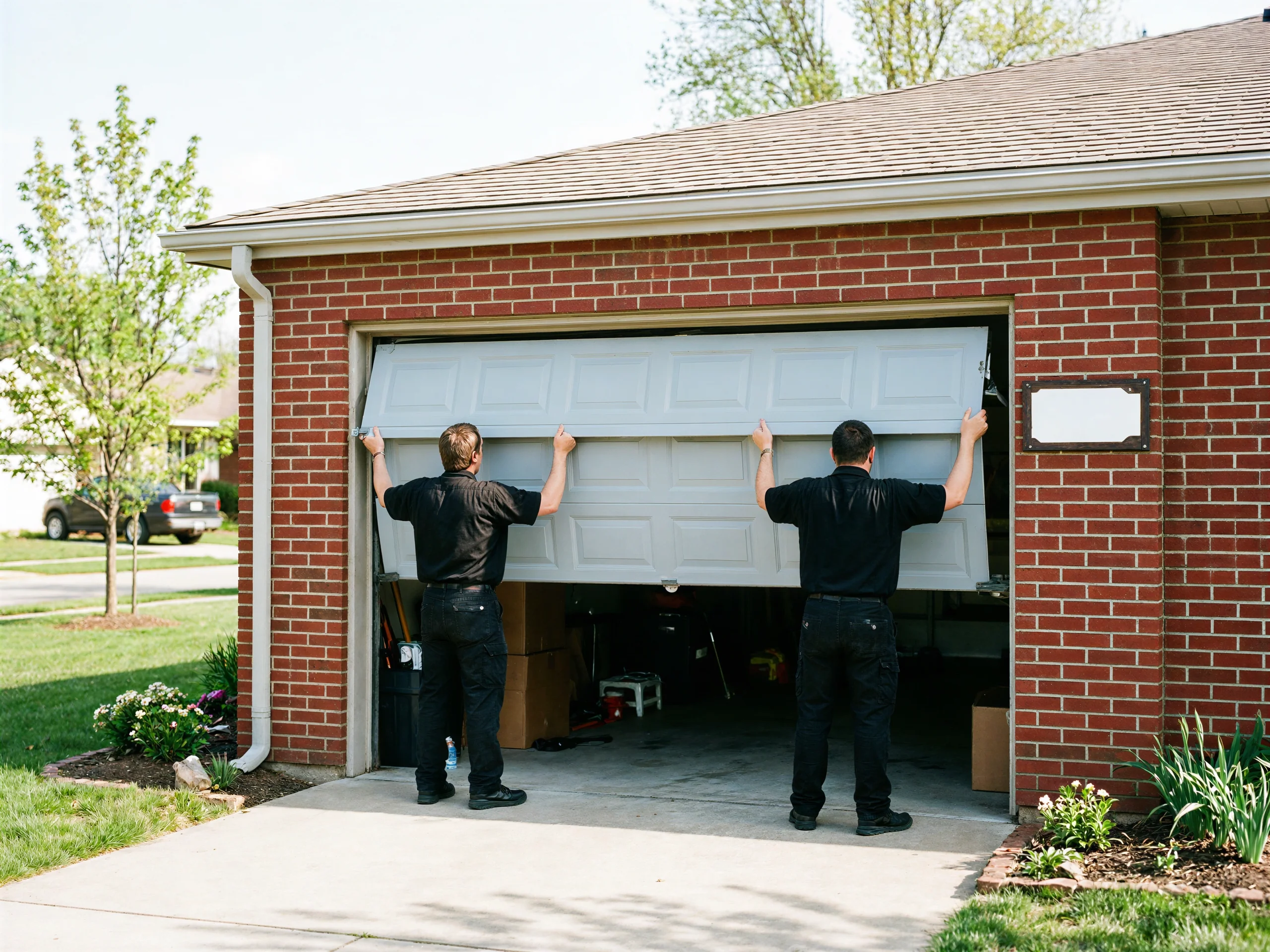
New Door Installation
Canal Winchester has 3,814 households and a median build year of 2000 - newer stock than most of the territory. Learn more →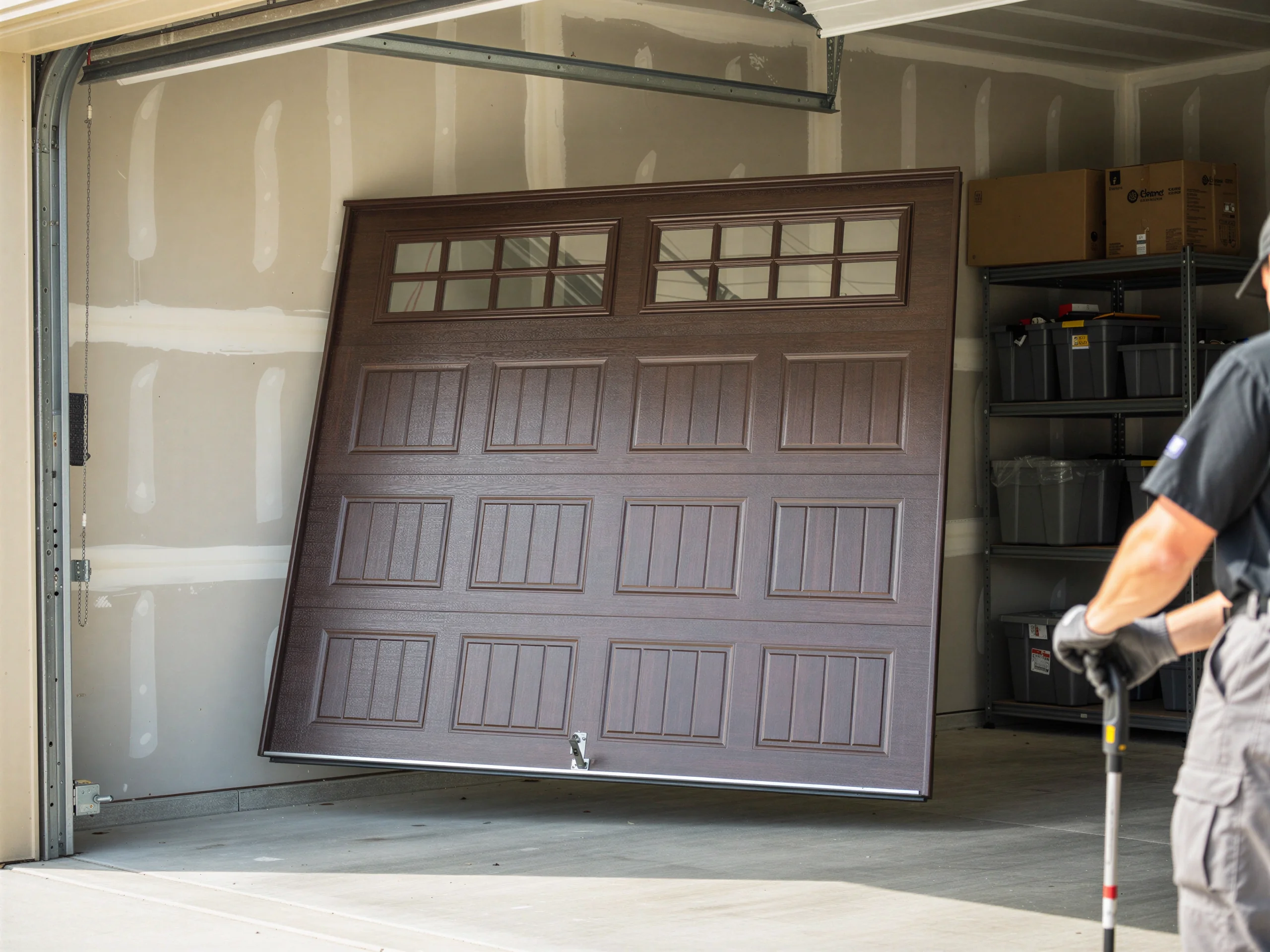
Off Track Repair
Canal Winchester homes run newer steel track and nylon rollers, not 1960s hardware. Learn more →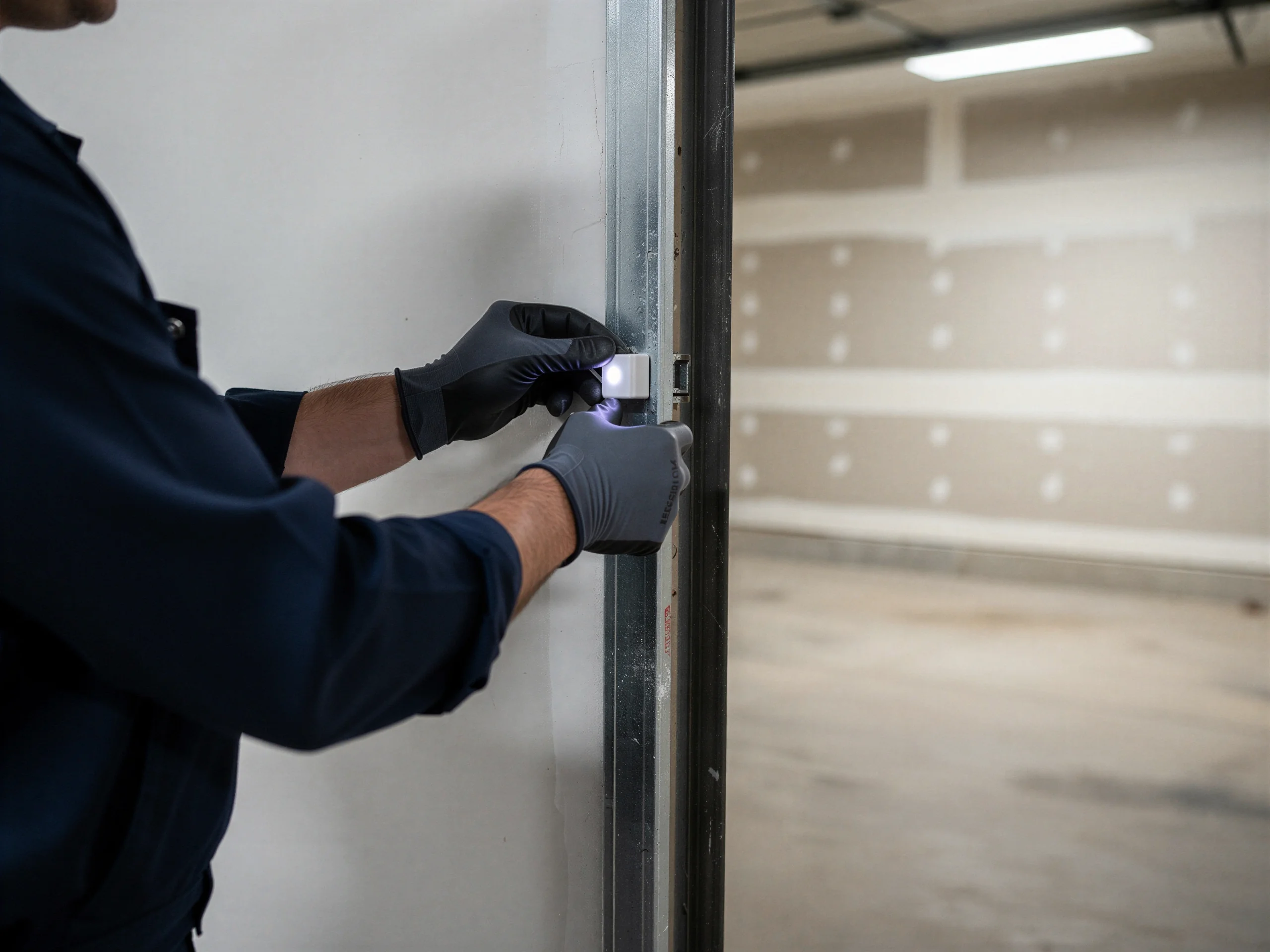
Opener Repair
Openers here are newer than most of the territory, built when houses went up around 2000 - different failure points, different parts. Learn more →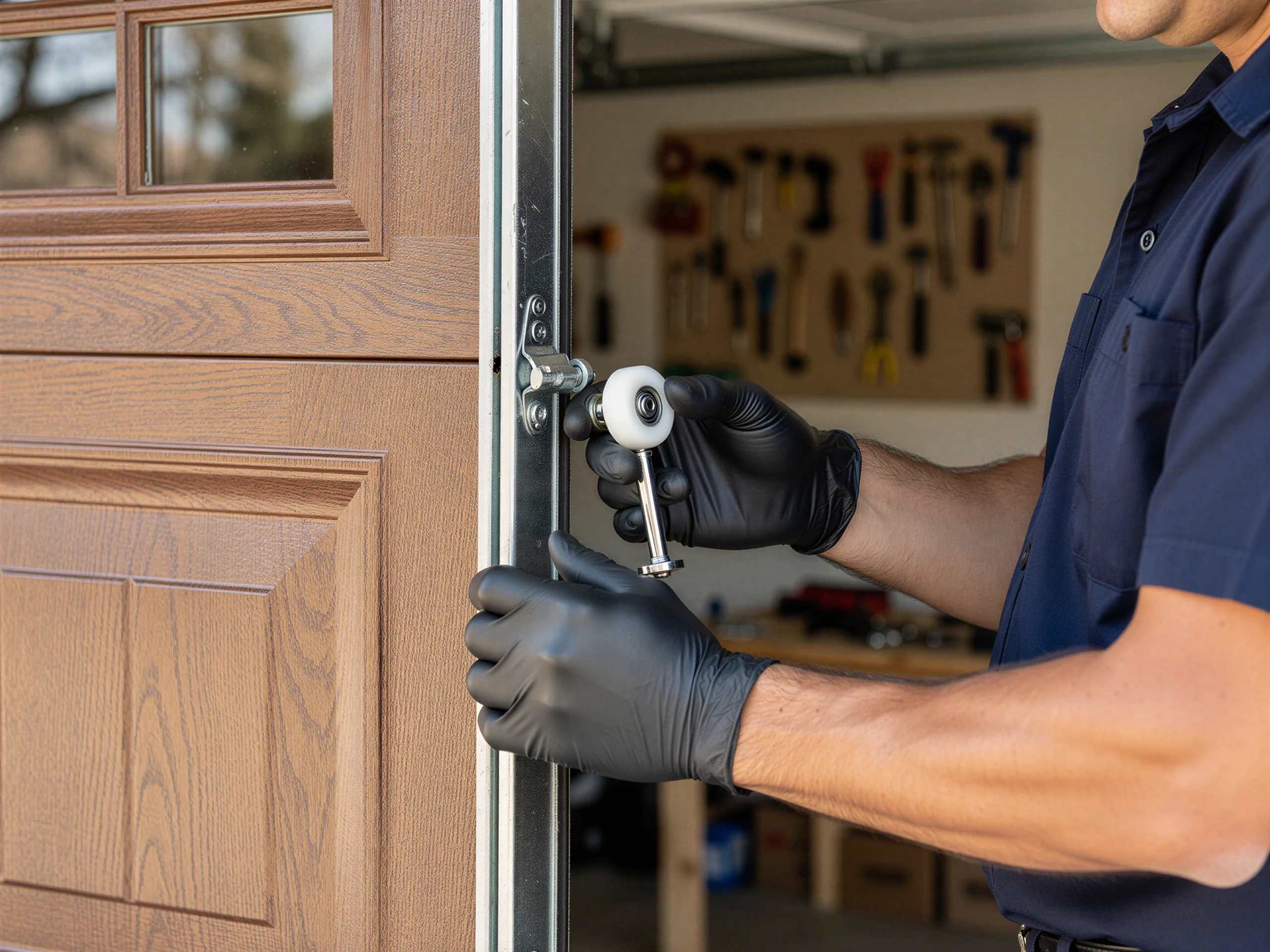
Roller Replacement
Canal Winchester homes run newer than most of the Lancaster service area. Learn more →Ready when you are
Time for a garage door tune-up in Canal Winchester?
Lancaster Garage Door Pros repairs and installs garage doors, springs and openers in Lancaster, OH and the surrounding area.